

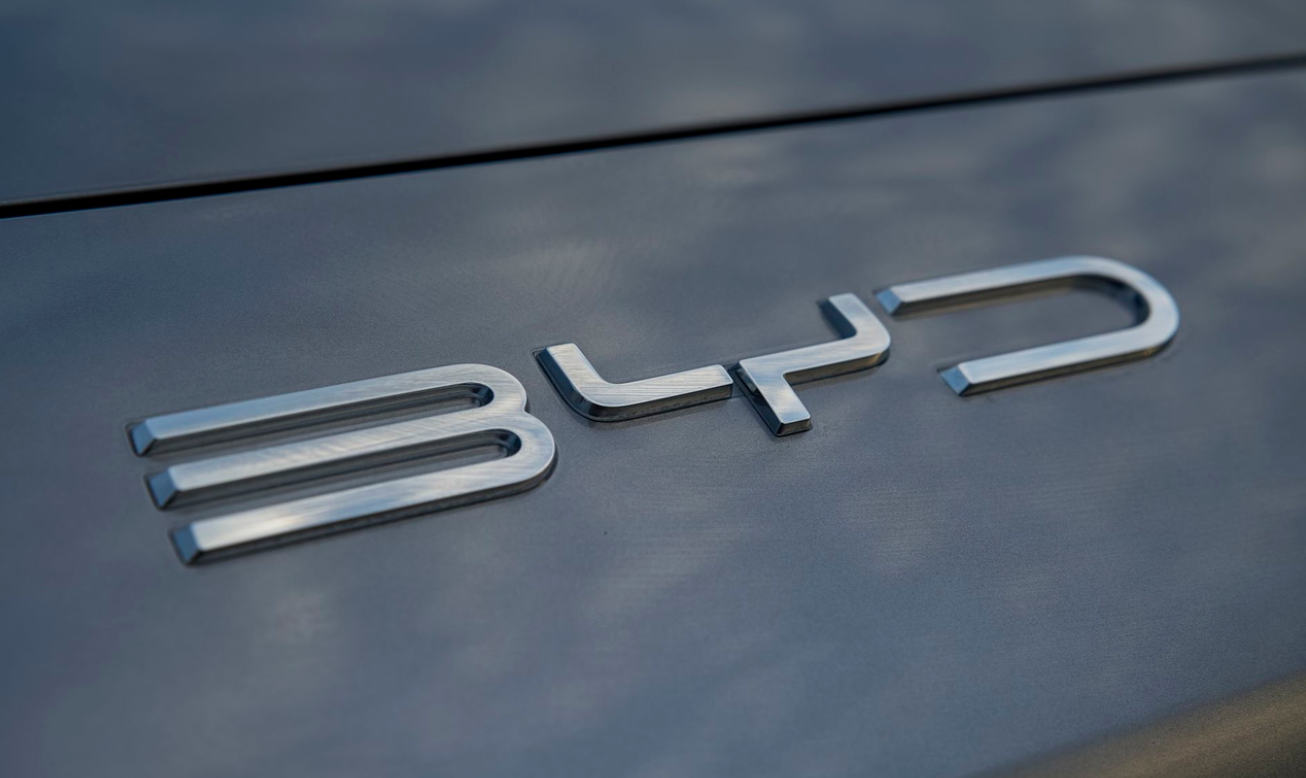
The global automotive sector continues to undergo rapid transformation, and 2025 has marked a major milestone: BYD has surpassed Hyundai, becoming the fourth best-selling car brand in the world. The rise of the Chinese manufacturer highlights the powerful shift driven by electric mobility and the growing influence of Asian brands in the global market.
Over the past year, BYD has achieved remarkable growth thanks to a combination of strategic factors:
- A robust lineup of electric and hybrid vehicles at competitive prices,
- Its international expansion into both emerging and developed markets,
- And a massive production capacity that allows the company to meet soaring global demand.
A Historic Leap in Global Automotive Rankings
Until recently, Hyundai held a strong position among the world’s top-selling car brands. However, BYD has managed to overtake it through an aggressive internationalization strategy and the rising popularity of its electric models.
The Chinese brand has strengthened its presence in regions such as Europe, Asia, and Latin America, where consumers are increasingly seeking more efficient and affordable mobility options. Its technological leadership—especially in Blade battery technology—has been a key contributor to its growth.
This shift in global leadership is also having an impact on markets like the Dominican Republic, where buyers are showing growing interest in fuel-efficient and low-consumption vehicles. Specialized platforms like Yacarros allow users to compare models from different brands—including BYD—to find options that fit their budget and needs.
The Decisive Push Toward Electric Mobility
BYD’s growth reflects the worldwide trend toward electric vehicles. With increasingly strict emissions regulations in various countries, consumers are turning to cleaner and more economical alternatives.
BYD has positioned itself as a direct competitor to Tesla, but with a strategy focused on high-volume production and accessible pricing, making its vehicles appealing in markets where electric cars were once considered out of reach.
Impact on Emerging Markets
In Latin America and the Caribbean, BYD has gained significant traction thanks to commercial agreements, government incentives, and the introduction of more affordable models. This expansion is opening the door for a new generation of buyers seeking efficiency and technology without sacrificing affordability.
Local sites such as Yacarros.com have become essential tools for users who want to explore used vehicles—including BYD models—with transparency, advanced filters, and direct contact with sellers.
What Does This Trend Mean for the Future of the Industry?
BYD’s rise represents not only a shift in global rankings, but also a profound transformation in the automotive industry’s priorities.
Traditional manufacturers will need to accelerate their electrification plans, improve production costs, and compete with companies that dominate the battery supply chain.
For consumers, this growing competition brings clear benefits: more choices, better prices, and greater innovation.