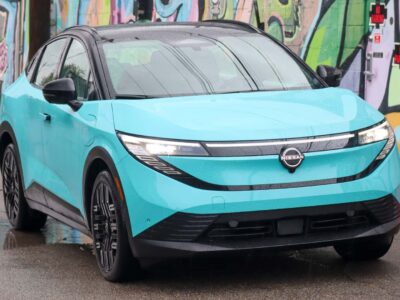


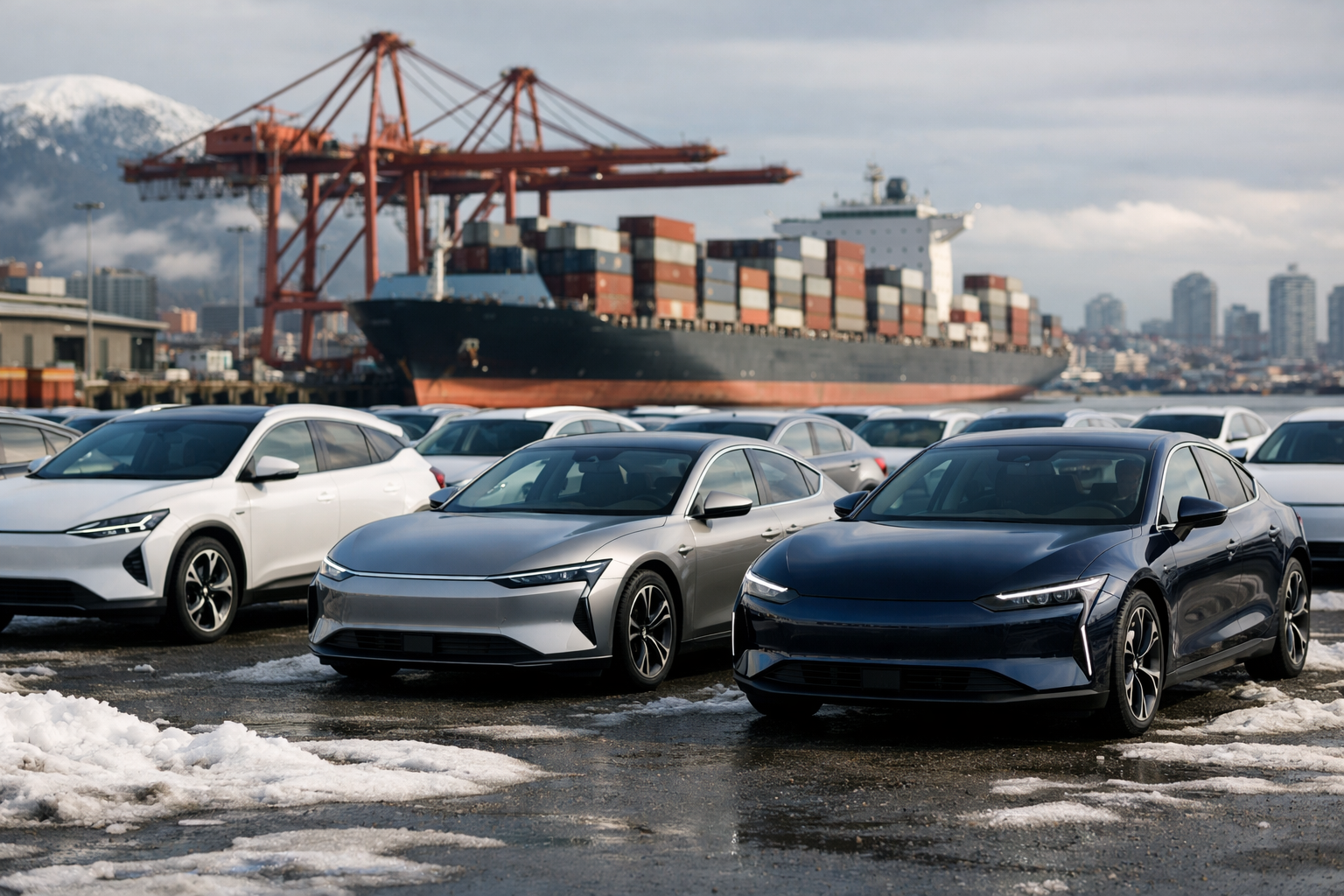
Canada has made a significant shift in its trade policy by reducing tariffs on Chinese electric vehicles from 100% to 6.1%. This decision will allow the import of up to 49,000 vehicles in the first year, a figure that will gradually increase to 70,000 units by the fifth year, representing a major change for the North American automotive industry.
The move has sparked intense political and economic debate, particularly due to its impact on the historic relationship between Canada and the United States, two countries whose automotive manufacturing sectors have traditionally been closely integrated.
A more open… and more competitive market
Under this new framework, the Canadian government aims to make access to electric vehicles more affordable, enabling models that could be priced below 35,000 Canadian dollars, an attractive figure for consumers pressured by inflation and the high cost of living. For those closely following the automotive market and new buying opportunities, specialized platforms such as the electric vehicle and international car marketplace are becoming a useful reference point for analyzing trends and prices.
However, not everyone is celebrating the decision. Although Chinese imports would account for only about 3% of the Canadian automotive market, there are concerns that this opening could set a precedent that will be difficult to reverse.
Political concern and international tensions
Ontario Premier Doug Ford has been one of the most vocal critics. From his perspective, the arrival of cheap Chinese electric vehicles could seriously damage the Ontario Automotive Corridor, a region that is key to industrial employment in Canada. In addition, Ford has raised concerns related to cybersecurity, suggesting that the software in these vehicles could pose strategic risks.
These concerns are also resonating in the United States. Various officials and industry organizations fear that the Canadian decision could weaken North American automotive production and complicate the transition toward a competitive electric vehicle industry in the face of China.
Which models could arrive in Canada?
With lower tariffs, everything points to Chinese brands such as BYD being among the first to enter the market. Compact urban models like the BYD Seagull or Dolphin fit perfectly with Canada’s goal of offering more affordable electric cars, while premium options are likely to remain in the background for now.
This scenario could redefine consumer preferences and accelerate electric vehicle adoption in the country, also influencing the used car market and regional vehicle buying and selling trends.
A domino that has just fallen
While some analysts see this as merely a limited trade maneuver, the reality is that the electric vehicle sector is evolving very quickly. In just a few years, China’s presence could go from marginal to becoming a decisive factor.
The first wave of imports is expected to arrive in March or April, and all signs suggest that this move will not be the last major shift on the North American automotive chessboard. Canada has made its move, and the rest of the continent is watching closely.