

The world’s most influential technology fair is once again looking to the future… and to the automobile as well. Although CES has always been synonymous with innovation—just remember that the first video recorder was unveiled there in 1970—in recent years it has become a key showcase for the automotive industry. That said, in this edition the spotlight on electric cars seems to fade in favor of a new concept gaining momentum: AI.
The automotive industry enters the AI era
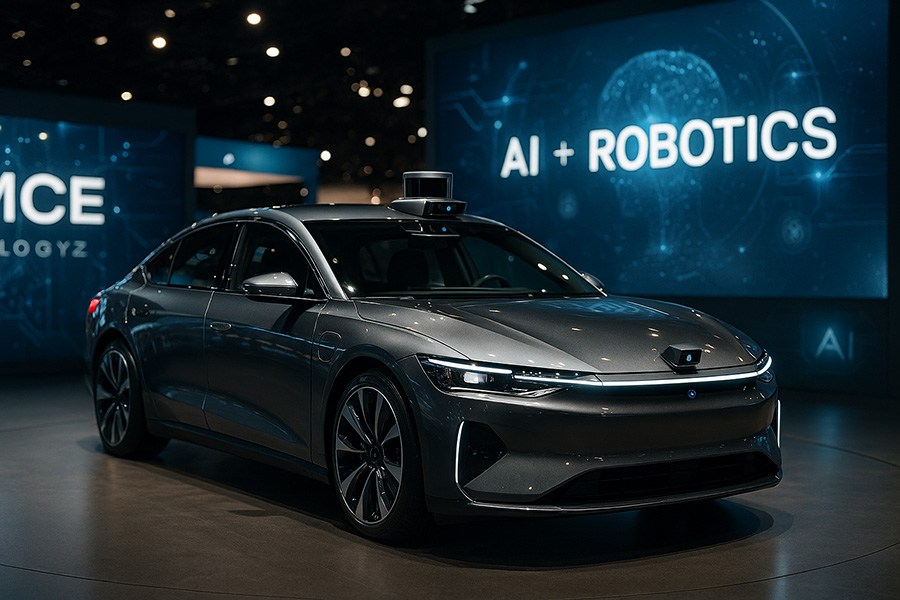
Beyond software-defined vehicles, physical artificial intelligence represents a qualitative leap forward: AI systems that not only process data, but also interact with the real world, move, make decisions, and carry out tasks. In the automotive sector, this translates into cars that increasingly behave like intelligent robots, capable of driving, learning, and assisting the driver autonomously.
Manufacturers such as General Motors have already showcased advances in intelligent assistants, automated driving, and vehicles that, in the future, could handle everyday tasks on their own. To make this possible, a combination of next-generation chips, sensors such as lidar and radar, advanced software, and better batteries is essential. CES’s focus seems clear: less attention on individual models and more on automated mobility as an ecosystem.
A conceptual shift… or a real necessity?
Although many of these proposals still sound futuristic, the convergence of automotive, robotics, and artificial intelligence is undeniable. In a context where users are looking for more affordable and efficient cars, physical AI raises an interesting debate: is the market ready for increasingly autonomous and robotic vehicles?
The major automotive debuts shaping CES
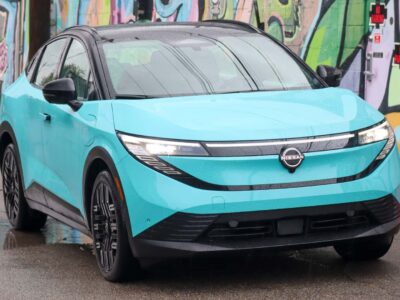
The show also brings highly anticipated announcements. Sony Honda Mobility returns to the spotlight with Afeela, its electric bet, showcasing progress on the Afeela 1 in pre-production form and unveiling a brand-new concept. BMW presents its Neue Klasse EV platform and the iX3, while Mercedes-Benz makes its U.S. debut with the electric GLC. In addition, the Zoox robotaxis, already visible in Las Vegas, anticipate a future where driverless mobility will become commonplace.
For those closely following market trends, these announcements also impact the buying and selling ecosystem. It’s no coincidence that more and more users are seeking information and opportunities on specialized platforms such as the market for innovative and technological cars, where the offer quickly adapts to new industry trends.
Hyundai and robotics as a strategic pillar
Atlas and the future beyond the car
Hyundai is another CES protagonist, presenting a vision that goes far beyond the traditional automobile. Through its subsidiary Boston Dynamics, the Korean manufacturer is driving the development of humanoid robots like Atlas, now fully electric and based on reinforcement learning. This approach reinforces the idea that physical AI will not be limited to factories or laboratories, but will become part of everyday life—and eventually, our vehicles.
The integration of robotics, software, and mobility points to a scenario in which the car not only transports people, but also interacts, learns, and collaborates.
Will the car of the future be a robot?
The final question remains open: do we really want more automated and “robotic” cars? What is clear is that AI applied to the automotive industry is already transforming the sector, and CES confirms that this change is only just beginning. Perhaps we don’t yet know exactly what we expect from our ideal car… until we see it in action.