

Ford is redefining its electrification roadmap, and all signs point to the brand’s future hybrid models potentially featuring batteries from Chinese giant BYD, one of the world’s largest battery manufacturers. According to various reports, the U.S. automaker is in talks to import BYD batteries intended for vehicles produced outside the United States.
This move comes at a key moment, marked by the cooling of electric vehicle sales and the impact of the end of tax credits in the U.S., which forced Ford to rethink part of its EV strategy last year.
Ford strengthens its bet on hybrids
The Dearborn-based automaker aims to strengthen its hybrid lineup both in the United States and in other markets, betting on a technology that currently enjoys greater consumer acceptance. In this context, a potential partnership with BYD would provide a significant boost.
According to The Wall Street Journal, Ford is negotiating the purchase of lithium-ion battery packs for its upcoming hybrids. While the company has not officially confirmed the deal, it has acknowledged that it is in ongoing talks with various industry players.
BYD: much more than a car manufacturer
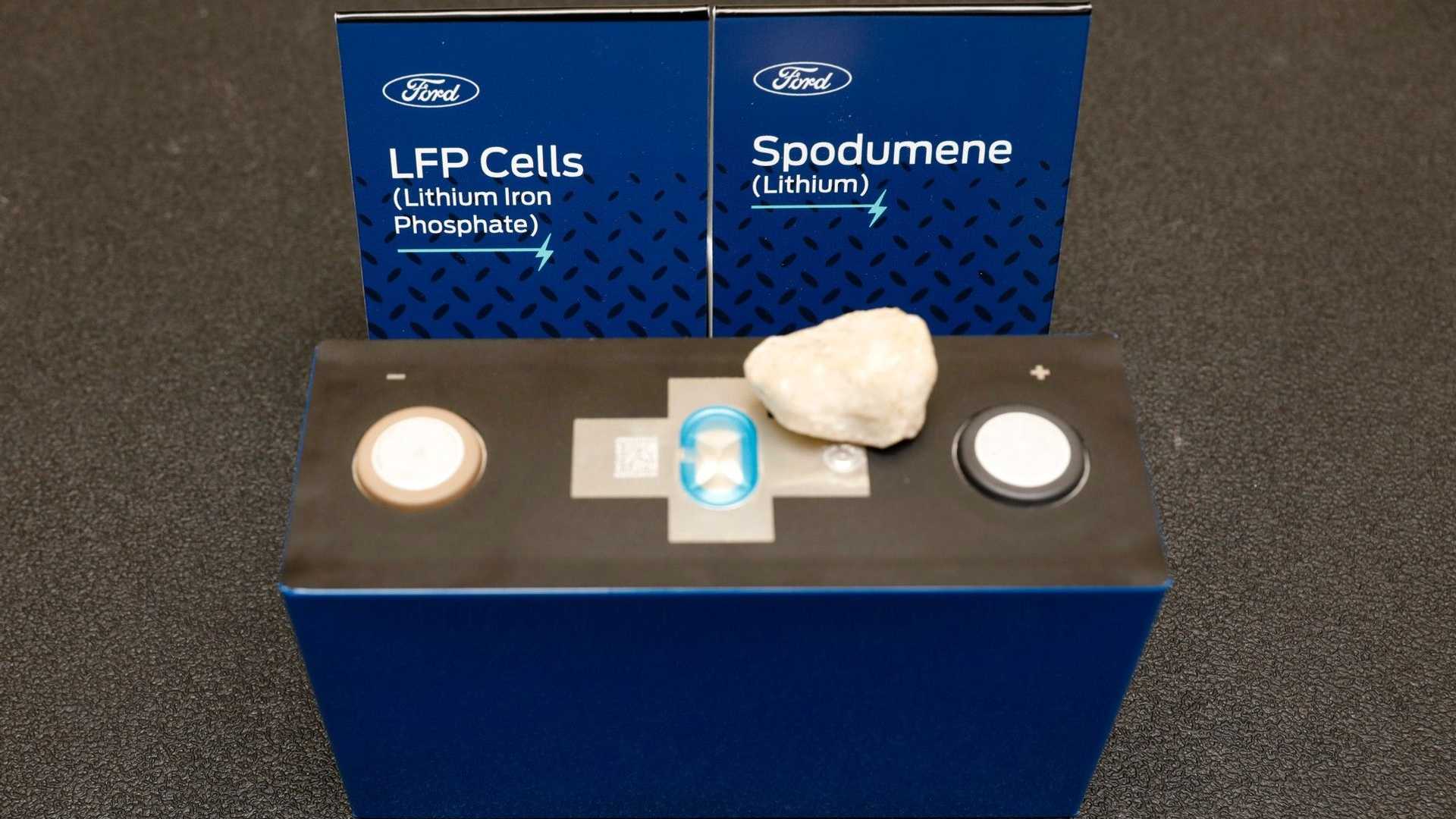
Although BYD is best known as the world’s largest automaker, its influence in the battery market is just as significant. The company supplies low-cost LFP (lithium iron phosphate) batteries to brands such as Tesla, Mercedes-Benz, Toyota, and Stellantis, especially for models sold in Europe and China.
Between January and November last year, global BYD battery deployments grew by 31.3%, reaching 133.4 GWh—second only to CATL, according to data from SNE Research.
Production outside the U.S. and future plans
One of the most likely scenarios is that Ford would use BYD batteries in vehicles manufactured outside the United States, as high tariffs make it difficult for China-built batteries and vehicles to enter the U.S. market.
Among its known plans, Ford intends to build a plug-in hybrid (PHEV) Bronco in Spain in 2027, although it has not yet been confirmed which battery supplier will be used. Meanwhile, in the U.S., the company has made a clear shift: it canceled production of the fully electric F-150 Lightning and shelved plans for its successor, taking on $19 billion in charges.
Instead, the next generation of the F-150 will be an extended-range electric vehicle (EREV), while the Ford Maverick and F-150 hybrids closed 2025 with record sales, reinforcing the viability of this technology.
A strategic move with precedent
If finalized, this agreement would mark Ford’s second major partnership with a Chinese giant, as the brand is also planning to produce LFP batteries in Michigan under a technology licensing deal with CATL for its upcoming $30,000 electric truck.
Additionally, Ford has already used BYD batteries in models sold in China alongside its partner Changan, so this would not be entirely new territory. What remains to be seen is whether these battery packs will be used in conventional hybrids, PHEVs, or EREVs.
If you want to closely follow the evolution of the hybrid and electric vehicle market or explore current options, platforms specializing in the buying and selling of hybrid and electric vehicles such as next-generation hybrid and electric vehicles offer up-to-date information and opportunities.
Ford is adjusting its course, and all indications suggest that hybrids will be a key pillar of its immediate future.