

Volkswagen is one of the most influential and long-standing car manufacturers in the world. With nearly 90 years of history, the German brand has gone through very different stages: from the absolute dominance of the Beetle, its expansion as an automotive giant through the acquisition of Audi and Porsche, to the controversial Dieselgate. Today, its lineup ranges from compact cars and SUVs to electric vehicles such as the eye-catching Volkswagen ID. Buzz. But with so much variety, a key question arises: how reliable are Volkswagens really?
The reliability of Volkswagen according to recent studies
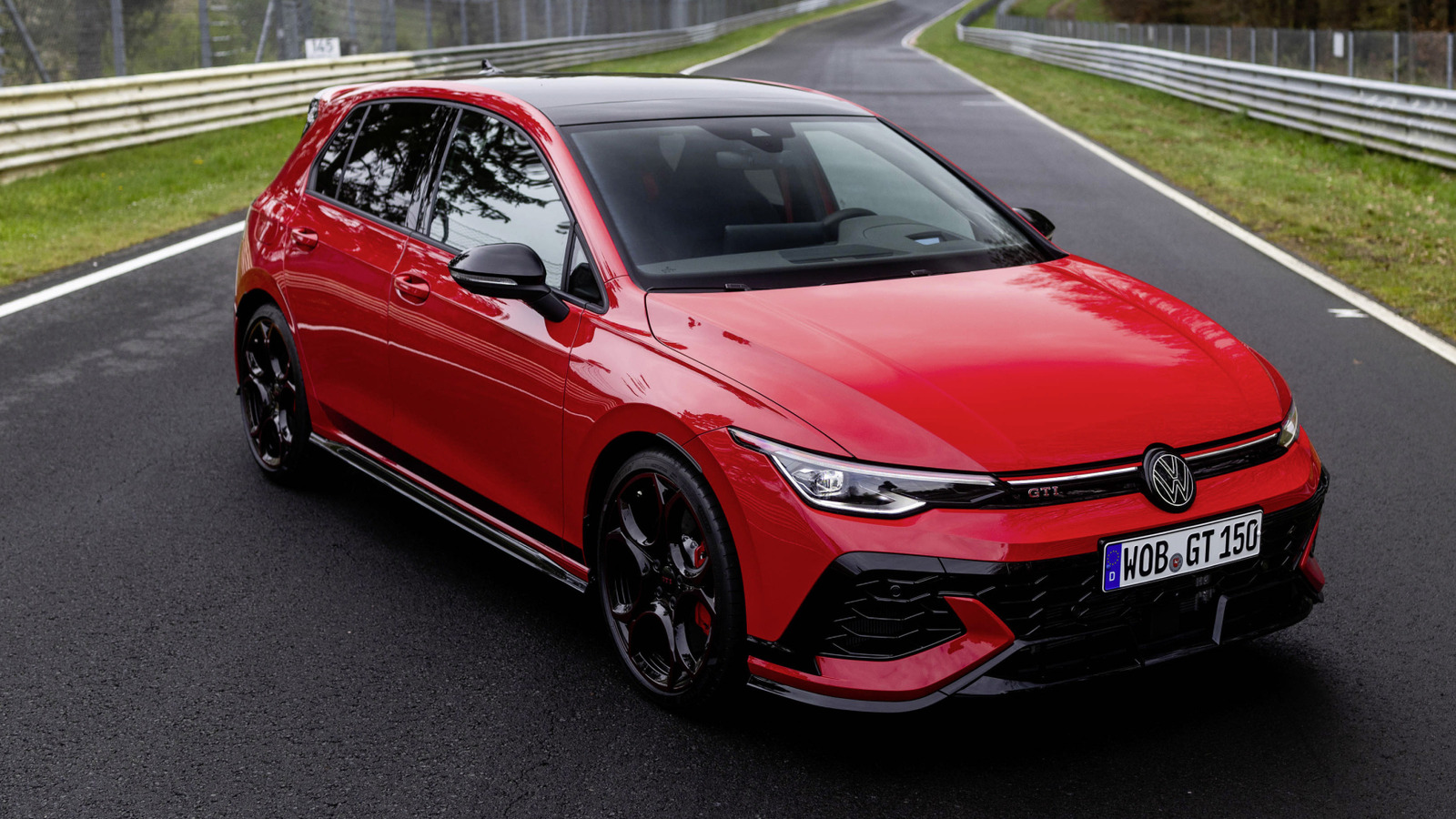
According to the 2025 Consumer Reports (CR) reliability survey, which analyzes 26 brands, Volkswagen ranks 16th, placing it slightly below the market average. Within its current lineup, the Golf GTI stands out as the most reliable model, while the Volkswagen Taos appears as the least reliable.
Meanwhile, RepairPal gives VW a reliability score of 3.5 out of 5, ranking it 12th out of 32 brands. These figures reflect acceptable reliability, though with significant differences between models. Therefore, if you are considering buying one, it is important to compare options and carefully review the vehicle’s history—especially if you are looking for well-maintained used Volkswagens, available on specialized platforms such as the Volkswagen car buying and selling marketplace.
Real-world data: owners, repairs, and standout models
The ratings provided by Consumer Reports are based on real owner experiences over the past 12 months, analyzing more than 380,000 vehicles across 20 problem areas, including engine, transmission, electronics, and electric vehicle components. According to CR, the Taos is “less reliable than other cars of the same year,” although not all the news is bad for the brand.
RepairPal, drawing on millions of real repair invoices, considers models such as the Jetta, Golf, and Passat to be above average in reliability, while the Tiguan and Golf GTI remain average. As for the used car market, an independent CR study from 2025 places Volkswagen in 13th position out of 26 brands, slightly improving its standing compared to new vehicles.
However, not all reports are positive: a study by JD Power ranked Volkswagen last in reliability for vehicles up to three years old, with 285 problems per 100 vehicles. Even so, the VW Jetta earned an “Excellent” rating, showing that reliability varies greatly by model.
Maintenance costs and market presence
Volkswagen remains a key player in the U.S. automotive market. In 2024, it sold 316,504 vehicles in the U.S., representing a 19.4% year-over-year increase, confirming that buyer confidence remains strong despite past scandals and mixed reliability ratings.
The brand’s best-selling models are the Tiguan, Atlas, and Jetta, and one of VW’s biggest advantages is offering German engineering at a more accessible price than other premium manufacturers. While it does not reach the luxury level of Mercedes or BMW, it shares platforms with Audi, helping balance quality and costs.
According to RepairPal, the average annual repair cost for a Volkswagen is $676, lower than premium brands such as BMW ($968) or Audi ($987). This makes VW a reasonable option for those seeking European design without excessive expenses, especially when compared to more economical brands like Toyota, which averages $441 per year.
In conclusion, Volkswagen is not the most reliable brand on the market, but it offers a solid balance of price, technology, and maintenance costs—provided the right model is chosen and each vehicle is carefully evaluated before purchase.