

Rivian is holding a decisive event today in its evolution as an electric vehicle manufacturer: its first Autonomy and Artificial Intelligence Day, where the company will reveal advances in its new driver assistance system, designed to enable point-to-point travel without human intervention. The live stream will begin at noon and can be watched via InsideEVs.
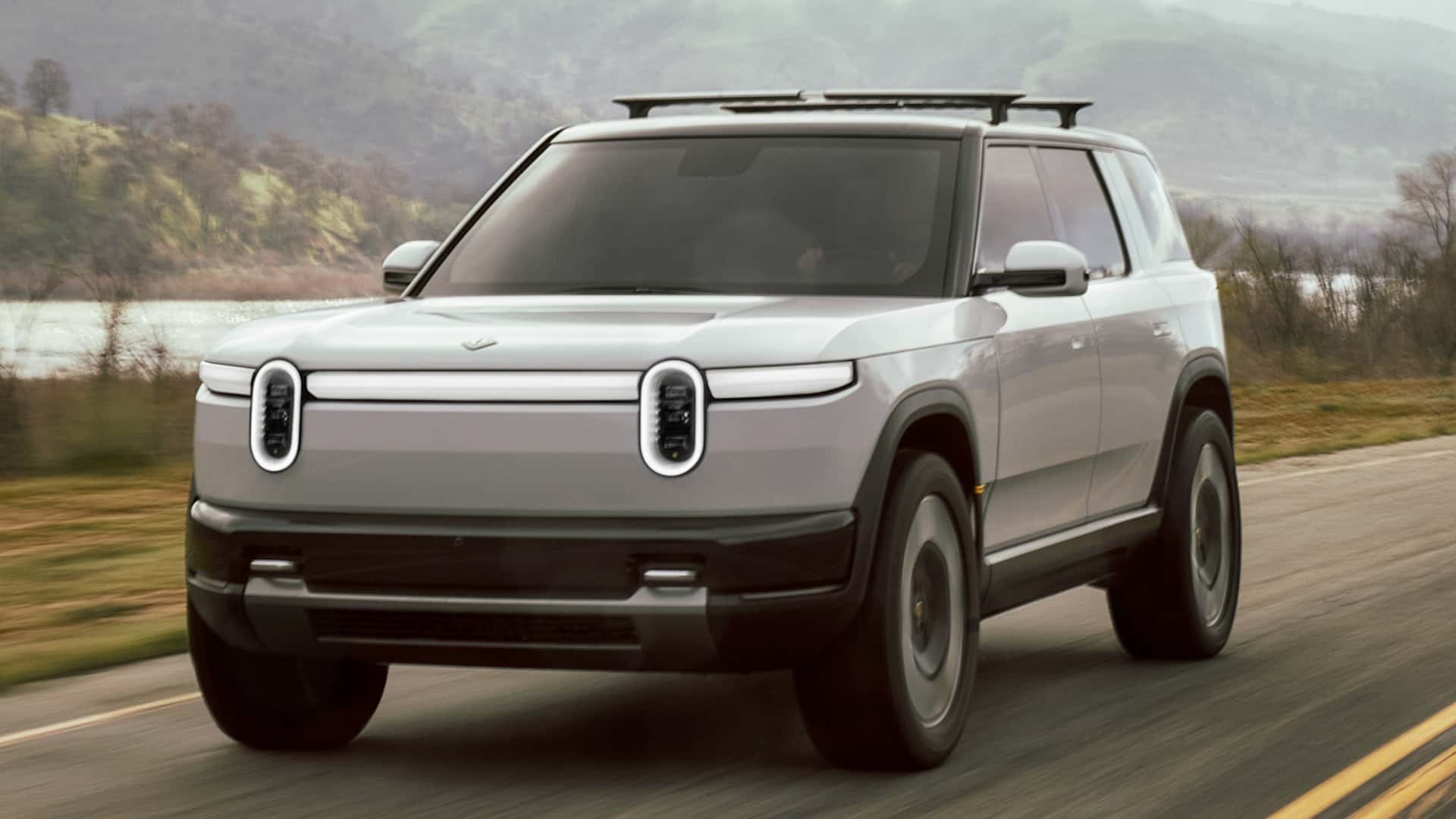
For the American brand, the timing could not be more critical. After losing access to the $7,500 federal tax credit and with the highly anticipated R2 SUV still not on the market, Rivian needs to strengthen its revenue sources and maintain investor confidence. Although its recent technology partnership with Volkswagen has provided an important boost, the company knows that autonomy may become the truly differentiating factor that ensures its long-term stability.
Autonomy and AI: Rivian’s New Strategic Bet
During this first Autonomy and AI Day, Rivian will present its vision for the future of advanced driver-assistance systems, new AI-powered assistants, and the hardware that will enable these capabilities.
This strategy follows what Tesla has successfully done for years: combining technological innovation with an event that attracts customers, enthusiasts, and—perhaps most importantly—investors. Rivian must demonstrate technical strength and a sustainable roadmap. If it succeeds, it may attract new capital to accelerate growth; if not, it could face one of the greatest challenges in its history.
In an official teaser, the company’s founder and CEO, RJ Scaringe, stated:
“In the relatively near future, customers will expect their vehicle to take them anywhere they want to go without needing to play an active role in driving.”
His remarks suggest that Rivian is preparing a semi-autonomous system that would allow drivers to take their hands off the wheel during long trips, prioritizing safety, comfort, and efficiency.
How Rivian’s Current Technology Will Evolve
So far, the driver-assistance systems in the R1S and R1T have been considered limited compared to competitors like Tesla or Mercedes, mainly because they rely on conventional cameras and proximity sensors. The key advancement could be the addition of Lidar, a technology Tesla has dismissed but which Rivian appears to be developing.
In fact, in official videos of the upcoming R2, a designated space for a potential Lidar sensor can be seen, and Scaringe confirmed that the company “does not rule out” integrating it into future models.
A Possible AI Assistant Integrated Into the Vehicle
Another major announcement expected is the introduction of Rivian’s new artificial intelligence assistant, capable of controlling vehicle functions through natural voice commands. According to Rivian’s head of software, Wassym Bensaid, the assistant has been in development for nearly two years and may launch before the end of the year.
Impact on International Markets
Rivian’s progress in autonomy will also impact electric vehicle markets across Latin America and the Caribbean. In countries like the Dominican Republic, where demand for efficient vehicles grows each year, users seek reliable platforms to compare electric and combustion models.
For these searches, portals such as Yacarros have become essential tools for exploring listings, comparing options, and contacting sellers safely.
A Key Event for the Future of the Brand
Rivian’s Autonomy and AI Day could redefine the company’s position in the competitive automotive sector. If the brand demonstrates solid progress, it may reinforce its credibility, attract new investors, and pave the way for the successful launch of the R2 SUV.
The livestream begins today at 12:00 p.m. ET, and anyone can join online to discover firsthand the updates that will shape the future of the brand.