

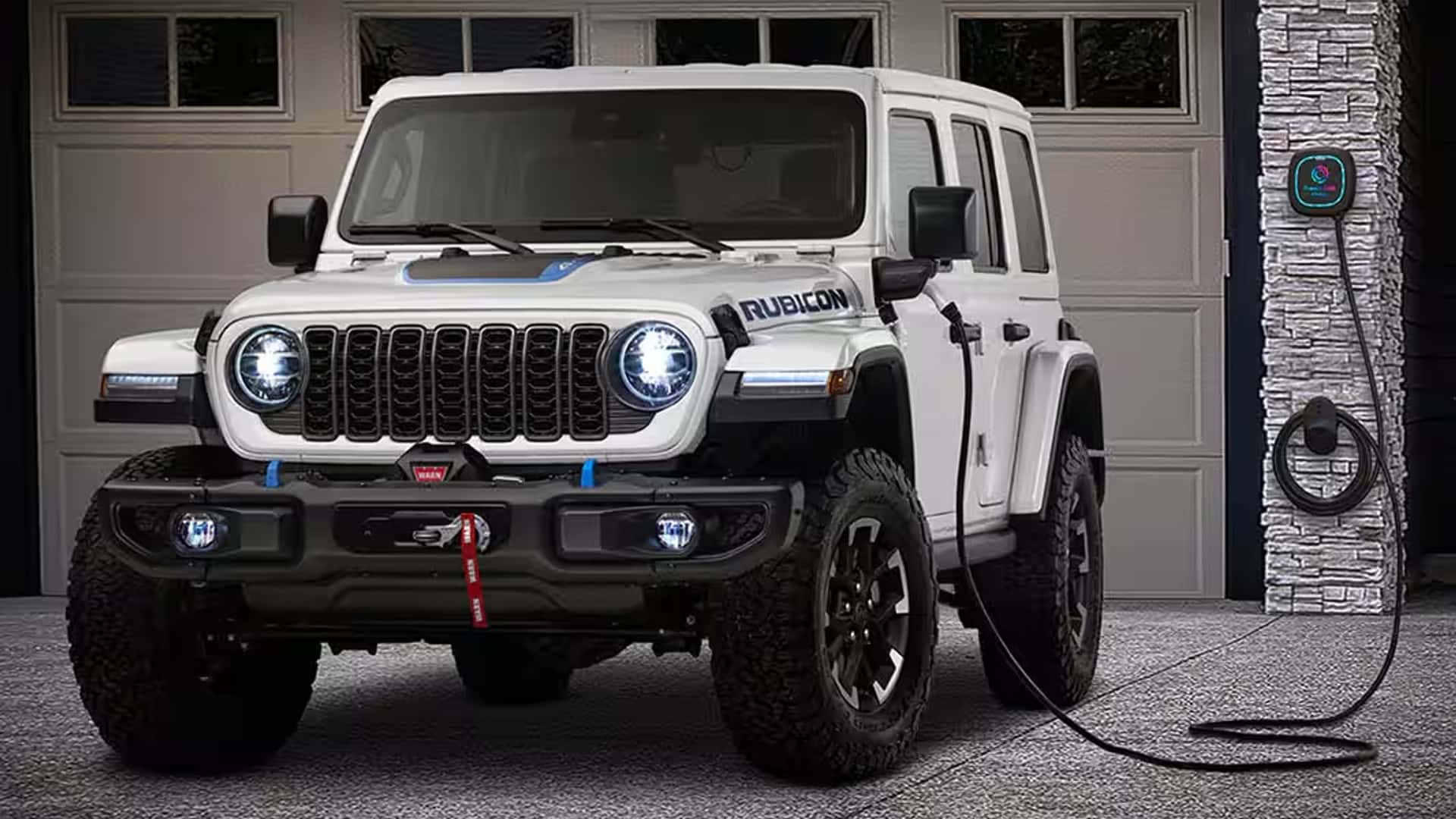
Stellantis has made a key decision for its future in the North American automotive market: to gradually phase out its plug-in hybrid vehicles (PHEVs) starting with the 2026 model year. Popular models such as the Jeep Wrangler 4xe, the Jeep Grand Cherokee 4xe, and the Chrysler Pacifica Plug-In Hybrid will cease production, marking a significant shift in the group’s strategy.
As confirmed by the company to the specialized outlet The Drive, this move responds to a combination of factors, including changes in customer demand, regulatory adjustments, and a new vision for electrification.
A strategic shift in Stellantis’ electrification plan
Stellantis explains that the decision aims to focus efforts on more competitive electrified solutions, such as conventional hybrid vehicles and extended-range electric vehicles, which incorporate gasoline generators to enhance the user experience.
“With changes in customer demand, Stellantis will gradually phase out plug-in hybrid (PHEV) programs in North America starting with the 2026 model year,” a company spokesperson stated.
Although these models ranked among the best-selling PHEVs in the United States, especially in Jeep’s case, they were not without issues. The 4xe versions were affected by quality problems and multiple recalls, including a recent battery-related warning advising owners not to charge or park the vehicles indoors.
The impact of the end of tax incentives
Another key factor has been the disappearance of the $7,500 federal tax credit for this type of vehicle. For years, this incentive significantly boosted plug-in hybrid sales, particularly for models like the Chrysler Pacifica.
Under the new regulations, many of these tax benefits no longer apply to direct purchases, reducing the economic appeal of PHEVs for the average consumer. Without this financial support, demand has begun to cool.
For those evaluating hybrid or electric alternatives in today’s market, specialized platforms such as the hybrid and electric vehicle marketplace on yacarros.com make it easy to compare models, prices, and available technologies.
Looser regulations and the electric slowdown
Beyond demand, more flexible environmental regulations also play a key role. The easing of average fuel economy standards and the suspension of electric vehicle sales targets in states such as California have reduced pressure on manufacturers to prioritize plug-in models.
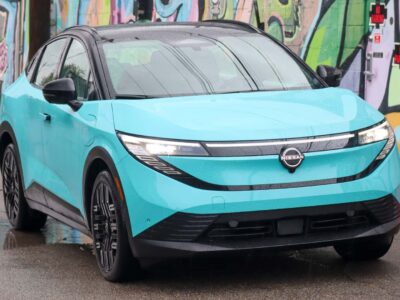
This environment has triggered a wave of cancellations and adjustments across the industry. Other recently affected models include the Ford F-150 Lightning, the Acura ZDX, and the Nissan Ariya, highlighting a temporary slowdown in the expansion of electric vehicles.
Looking ahead: new models with strong potential
What Stellantis is preparing next
Not all the news is negative. Stellantis is already working on a new generation of electrified vehicles with high expectations. This very year, exciting launches such as the Ram 1500 REV and the Jeep Grand Wagoneer will reach the market, both featuring extended-range systems that combine the best of electric propulsion with the security of a gasoline backup.
These launches show that, even as traditional plug-in hybrids lose prominence, electrification remains a strategic priority for the group.
Ultimately, Stellantis is adjusting its course to adapt to a changing market, betting on technologies that balance efficiency, range, and reliability, while consumers explore new options within an automotive landscape undergoing rapid transformation.