

Tesla has always prided itself on a minimalist and innovative approach, both in design and engineering. However, that philosophy—intended to reduce costs and streamline the user experience—is now generating serious controversy when applied to basic functions such as opening a car door after an accident. And in emergency situations, every second matters.
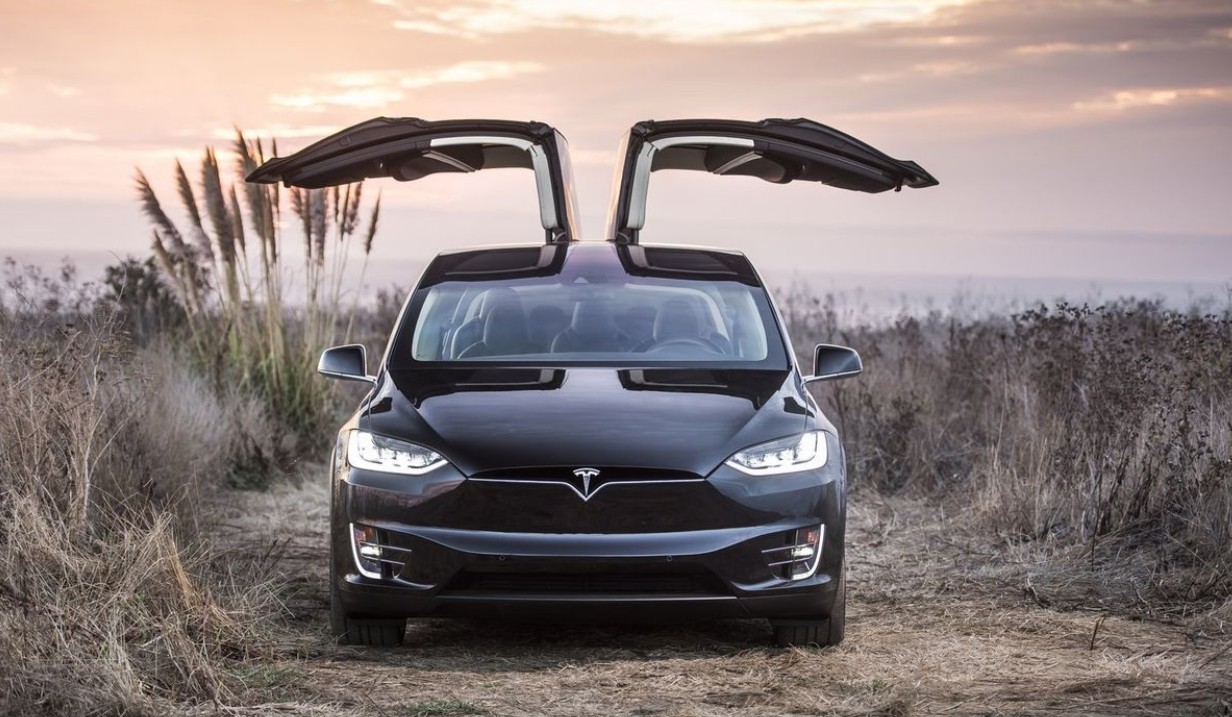
Although flush, electronic door handles are not exclusive to Tesla, the brand played a major role in popularizing them. The problem arises when a vehicle loses power after a crash: first responders and occupants may be left trapped, unable to figure out how to open the doors manually.
Bloomberg warns: at least 15 deaths linked to Tesla door handles
A recent Bloomberg investigation has put numbers to a growing concern. According to the report, at least 15 deaths in the United States may be linked to failures involving Tesla’s electronic door handles, in crashes where occupants or rescue teams were unable to open the doors in time.
The pattern is consistent across many cases: after impact, the low-voltage electrical system shuts down, rendering both exterior handles and interior electronic controls unusable. Although manual releases do exist, their location and operation vary by model and model year, making them far from intuitive in high-stress emergency scenarios.
More than half of these deaths reportedly occurred since November 2024, suggesting that the issue is not only ongoing but escalating.
Official investigation and possible design changes
The issue has now caught the attention of regulators. The U.S. National Highway Traffic Safety Administration (NHTSA) has opened a formal investigation into the Tesla Model Y, while China and Europe are considering regulatory changes for new vehicles.
Tesla, for its part, argues that its vehicles comply with all federal safety standards and that similar systems are used across the industry. Even so, the company has acknowledged it is evaluating a redesign of its door handles, potentially combining electronic and manual mechanisms, and allowing doors to unlock automatically when the battery is close to depletion.
Impact on the market and on buyers
This controversy comes at a sensitive time for Tesla. As some electric models lose value on the used-car market, buyers are becoming more demanding about issues such as real-world safety in critical situations. For that reason, anyone considering purchasing a Tesla—new or used—should stay well informed and compare alternatives carefully.
If you are analyzing prices, models, and options in the EV market, you can check specialized vehicle buying and selling platforms such as the marketplace for used Tesla and electric vehicles, where you can evaluate different options before making a decision.
Innovation or unnecessary complexity?
The Tesla door handle case reopens a key debate in the automotive industry: to what extent should innovation simplify life—or end up complicating it? Futuristic design is appealing, but when it interferes with essential functions during emergencies, the consequences can be severe.
In conclusion, Tesla remains a leader in electric vehicle technology, but this controversy shows that even the smallest automotive design details can make the difference between life and death. How this case evolves—and how regulators respond—will be crucial for the future of such systems.