

The European Union is preparing a new category of more affordable urban vehicles, known as “E cars,” inspired by the well-known Japanese kei cars. The main goal is to reduce the purchase price of small cars and curb the growing influence of Chinese manufacturers on the continent.
Currently, even new urban cars are becoming increasingly expensive, largely due to the mandatory safety equipment required by European regulations. With the creation of E cars, these vehicles will be allowed to have fewer active safety systems, significantly lowering their cost and making them more accessible.
What E Cars Are and How They Will Work
This new category will have strict size and power restrictions, similar to Japan’s kei cars. In addition, the EU plans to introduce tax exemptions for these vehicles, encouraging consumers to choose urban electric cars. While they will not include all the safety aids of a conventional car, they will still be safer than urban quadricycles like the Citroën Ami or similar vehicles from China.
E cars will have to pass crash tests and maintain adequate structural rigidity, but they may omit systems like autonomous emergency braking, driver drowsiness detection, or lane-keeping assistance. This will allow their price to be 10% to 20% lower than current models.
Models That Could Fit the New Category
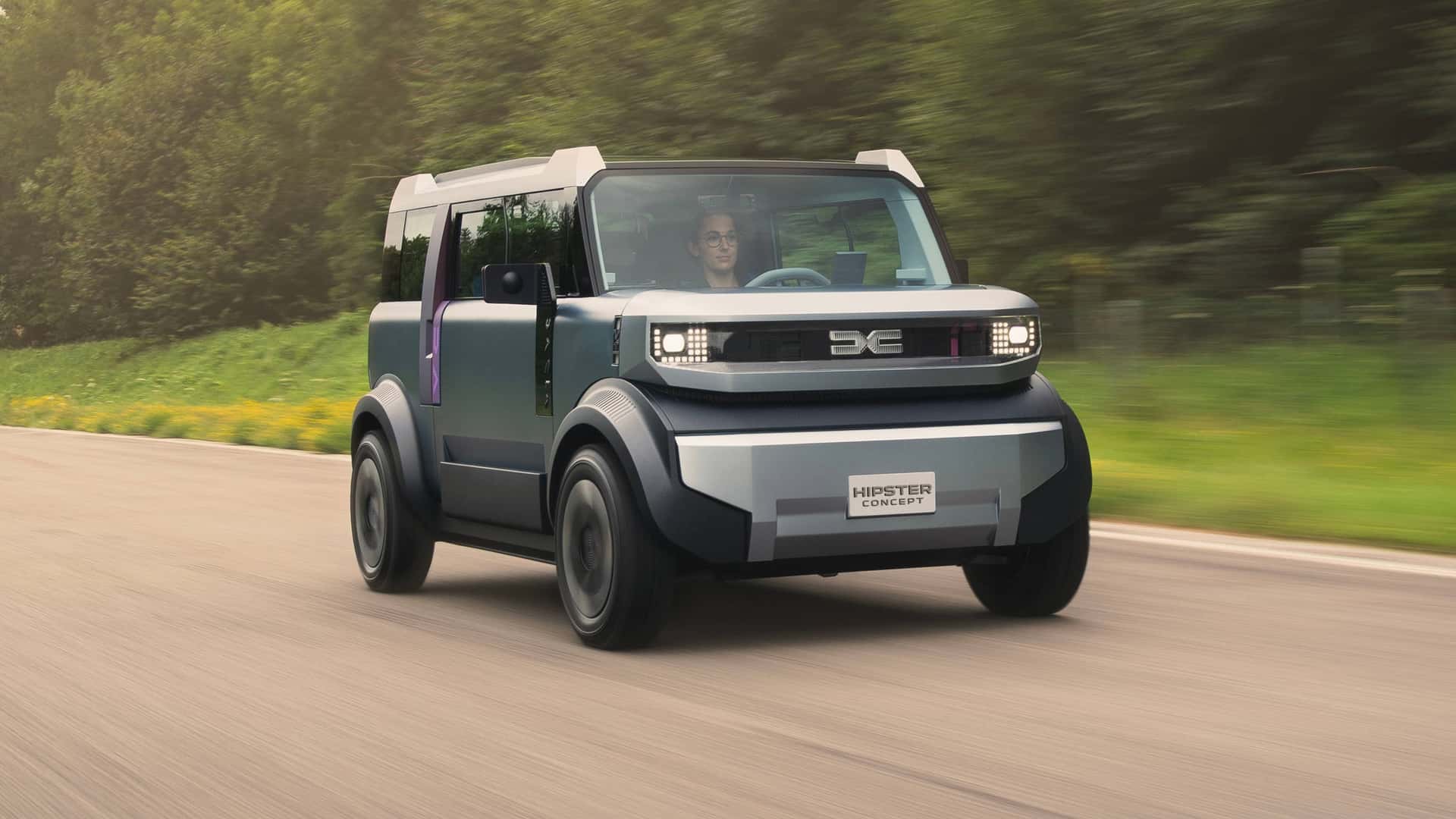
Some models, such as the Renault 5 E-Tech or the Twingo, might meet the criteria, although they may be too large. Smaller vehicles like the Dacia Hipster are closer to the desired formula: it measures 3 meters in length, 1.55 meters in width, and 1.53 meters in height, with a limited engine and a top speed of 90 km/h, ideal for urban driving.
The projected price for a car like the Hipster would be under 15,000 euros (approx. $17,600) before applying electric incentives, fitting within the target range the EU seeks for these cars.
Market Impact and Competition
The EU aims to boost local production and offer cheaper alternatives compared to Chinese manufacturers. However, Chinese brands could also adapt their models to meet the new regulations and sell vehicles at competitive prices, like the BYD Seagull. Even with high tariffs, Chinese manufacturers could use this category to expand their presence in Europe.
For those interested in exploring these new options for affordable urban electric vehicles, portals for buying and selling electric and city cars such as Yacarros
offer a wide variety of models, prices, and market opportunities. The arrival of E cars promises to change the way Europeans buy urban cars, offering more accessible prices, maintaining minimum safety standards, and promoting electric mobility in increasingly congested cities.