


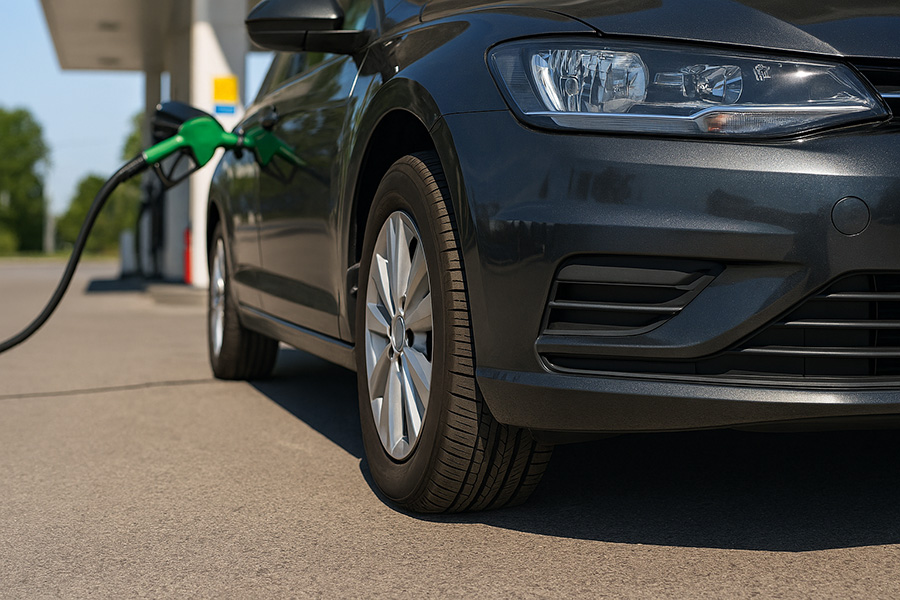
Every time you visit the gas station and watch the total climb at the pump, it’s normal to think your driving habits are to blame. However, excessive fuel consumption does not always depend on how heavy your foot is. In many cases, the real problem is much closer to the ground: underinflated tires.
When a tire has less pressure than recommended, it deforms and sinks more under the vehicle’s weight. This increases rolling resistance, forcing the engine to work harder. As a direct result, the engine burns more fuel and vehicle efficiency drops significantly, while also causing additional wear on various components.
How much does tire pressure affect fuel consumption?
A study conducted by the Oak Ridge National Laboratory revealed very clear data:
-
With 25% less pressure, fuel savings drop between 2% and 3%.
-
With a 50% reduction, the loss can reach up to 10%.
In winter, the problem becomes more serious. Low temperatures cause air to contract, resulting in a decrease of 1 to 2 PSI for every 10-degree drop on the thermometer. That’s why checking tire pressure during cold seasons is essential to maintain efficient fuel consumption.
The correct pressure: neither more nor less
Each vehicle has a specific pressure recommended by the manufacturer, usually found on the driver-side door frame or in the owner’s manual. You should never inflate your tires according to the value printed on the tire, as that number indicates the maximum pressure, not the ideal one.
Driving with underinflated tires not only affects fuel costs, but can also damage the tire’s structure and reduce grip and road safety.
Does overinflating tires help save fuel?
It may seem tempting to think that inflating tires above the recommended level improves performance, but the benefits are minimal and the risks are high. A 40% increase in tire pressure results in only a 0.12% improvement in fuel consumption, while increasing the risk of failure, worsening stability, and accelerating uneven tire wear.
Manufacturers define the ideal tire pressure by considering key factors such as safety, durability, comfort, and efficiency. Therefore, if your vehicle is equipped with a tire pressure monitoring system, don’t ignore the alerts and regularly check the condition of your tires.
If you’re thinking about switching to a more efficient car or simply want to compare market options, you can browse vehicles with good fuel efficiency on the vehicle buying and selling portal yacarros.com, where you’ll find multiple alternatives tailored to your needs.
Maintaining proper tire pressure is a simple step, but it can make a big difference in your wallet, your vehicle’s performance, and above all, your safety behind the wheel.