

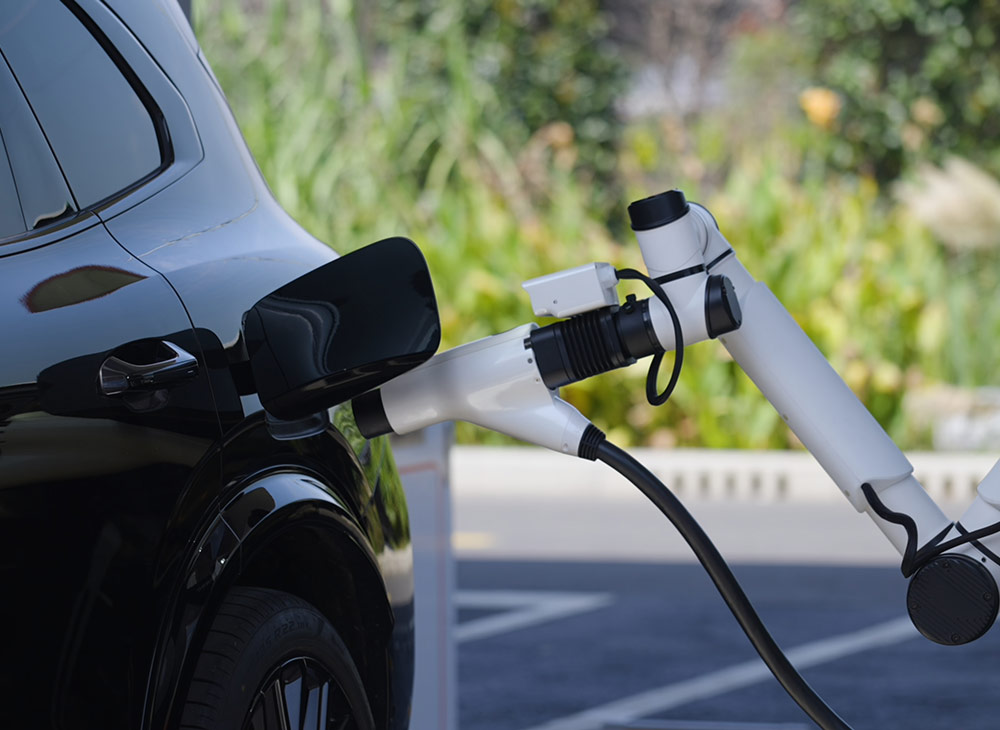
Geely Auto Group has introduced a new generation of smart charging technologies designed to transform the electric vehicle charging experience. Its approach combines artificial intelligence (AI), ultra-fast charging stations and next-generation batteries to reduce charging times, control temperatures and extend battery life.
The initiative, known as Geely Smart Charging, aims to go beyond simply increasing charging power. The system adapts the charging process to changing conditions, seeking to improve energy efficiency and reduce wear on one of the most important components of an electric vehicle.
At the center of this technology is Xingrui AI Power, an artificial intelligence model developed in collaboration with StepFun. The system acts as an energy management hub, coordinating the vehicle, battery, charging station, cloud services, power grid and energy storage systems.
The technology is complemented by Geely’s fifth-generation smart charging stations, which offer an announced maximum output of 2,250 kW, as well as new battery technologies designed to support high-speed charging with improved safety and durability.
Artificial intelligence to control battery temperature
One of the main challenges associated with ultra-fast charging is the heat generated during the process. High temperatures can accelerate cell degradation and affect battery performance over time.
To address this issue, Geely has developed algorithms capable of predicting battery thermal behavior up to 30 seconds in advance. This allows the system to adjust charging power before temperatures rise excessively.
According to figures provided by the company, the technology aims to keep the average temperature below 55°C and limit peak temperatures to less than 65°C. These parameters form part of a strategy designed to balance charging speed with battery cell protection.
The system also incorporates a five-point liquid cooling architecture covering several components of the charging system, from the station’s energy storage battery to the charging cable, connector and vehicle battery pack.
With this approach, Geely aims to reduce the risks associated with heat buildup and demonstrate that faster charging can go hand in hand with more precise thermal management.
Faster charging without sacrificing battery life
Battery degradation remains one of the main concerns among consumers considering an electric vehicle. Frequent use of fast-charging systems can increase thermal and electrochemical stress, although the impact depends on factors such as cell chemistry, temperature and charging habits.
Geely’s solution focuses on AI-powered personalized charging. Rather than applying a uniform strategy, the system adjusts current, cooling and charging duration according to the battery’s condition and operating circumstances.
The company has also introduced a restoration technology based on electrical micropulses, designed to reactivate lithium ions accumulated in the negative electrodes after numerous fast-charging cycles.
Geely claims that combining these systems can extend battery service life by up to 20%. This figure reflects results reported by the manufacturer and should be assessed in the context of the testing conditions and real-world vehicle use.
The strategy also includes low-intensity home charging, an approach that can help reduce degradation under certain conditions and support longer battery life.
A 2,250 kW charging station and batteries that recharge in minutes
Geely’s fifth-generation Smart Charging stations represent another key element of the initiative. In addition to their announced maximum output of 2,250 kW, the infrastructure incorporates intelligent management systems that adjust the energy supplied according to each battery’s requirements.
Geely also highlights the capabilities of its Shendun Golden Battery, designed to support charging rates of up to 12C. According to figures released by the automaker, vehicles equipped with this technology can charge from 10% to 70% in 4 minutes and 30 seconds, while reaching 97% in 8 minutes and 40 seconds.
These results rank among the most ambitious charging times announced by the manufacturer for vehicles intended for mass production. However, actual charging times may vary depending on the model, temperature, initial battery charge and charging station conditions.
A charging station’s maximum output does not guarantee that every vehicle can take advantage of it. Achieving such high charging speeds requires compatibility between the battery, power electronics and charging infrastructure.
A new battery designed to reduce charging heat
Another development is Geely’s next-generation ultra-short blade battery, which features laser welding for its tabs and covers. According to the company, this design reduces heat generated during charging by 10% and supports maximum charging rates of up to 6C.
Lower temperatures and improved energy management are important factors in increasing battery durability, particularly in vehicles that need to recover a substantial portion of their driving range in a short time.
The combination of new cell architectures, advanced cooling and AI-based control reflects a growing trend in the automotive industry: developing electric vehicles that not only offer greater range but also require less time to recharge and get back on the road.
What this development means for the electric vehicle market
Geely’s proposal focuses on one of the factors that most influence the electric driving experience: charging time. If these technologies deliver their announced performance under everyday conditions, they could help narrow the convenience gap between electric vehicles and combustion-engine models on certain journeys.
However, widespread adoption of ultra-fast charging will also depend on the expansion of compatible charging stations, installation costs and the ability of power grids to handle substantial electricity demand.
Consumers considering a vehicle purchase should compare not only maximum charging speeds but also real-world driving range, efficiency, battery warranty and charging infrastructure availability. Exploring the market through a vehicle buying and selling marketplace can help drivers identify models that match their needs and budgets.
With Geely Smart Charging, the Chinese automaker is betting on an approach in which artificial intelligence plays a central role in energy management. The combination of ultra-fast charging, thermal control and technologies designed to extend battery life could become a major area of competition among electric vehicle manufacturers in the coming years.