

The Association of Vehicle Manufacturers and Dealers (ACOFAVE) has urged the National Institute of Transit and Land Transportation (INTRANT) to move forward with the implementation of the Vehicle Technical Inspection (ITV) system in the Dominican Republic, while stressing that the process must guarantee independence, transparency and effective controls to prevent conflicts of interest.
The organization made its recommendations to INTRANT Director General Juan Manuel Méndez after the official expressed his commitment to advancing the implementation of the long-delayed inspection system.
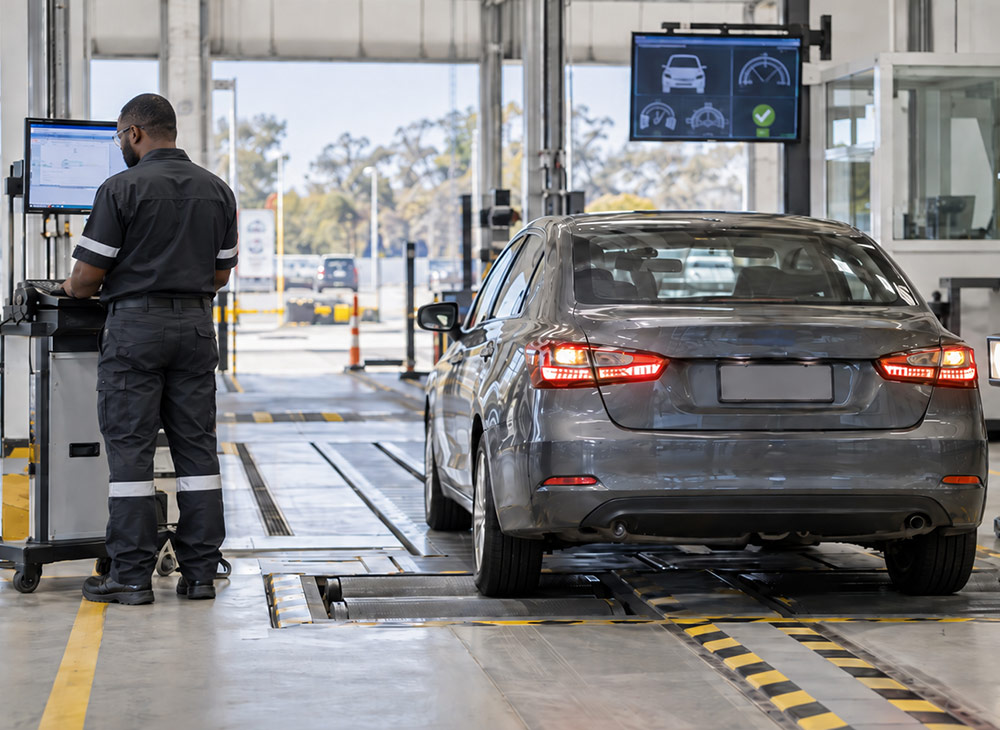
ACOFAVE pointed out that Article 166 of Law No. 63-17 establishes a mandatory annual technical inspection for motor vehicles more than three years old. The purpose is to verify that vehicles meet appropriate technical and mechanical conditions, do not pose a risk to road users, and comply with regulations governing pollutant and noise emissions.
However, nearly a decade after the law was enacted, the vehicle inspection system remains pending implementation in the Dominican Republic.
ACOFAVE calls for independent vehicle inspections
ACOFAVE said it supports moving forward with the process as quickly as possible, but warned that speed should not come at the expense of the quality and credibility of the vehicle inspection system.
The association said operators authorized to run inspection stations should maintain social and operational independence from vehicle dealers, importers, repair shops, insurance companies, transport operators and other stakeholders whose vehicles or activities could be subject to inspection.
According to ACOFAVE, this separation is essential to prevent potential conflicts of interest and ensure that inspection results are based exclusively on established technical criteria.
Regardless of whether the system is implemented through a public-private partnership or through a bidding process managed directly by INTRANT, the association believes several safeguards should be established from the outset:
- Demonstrable experience by operators responsible for vehicle inspection stations.
- Independent audits and quality-control mechanisms for inspection results.
- Standardized technical criteria across all inspection stations from the beginning of operations.
- Safeguards to ensure that inspectors do not have conflicts of interest involving the vehicles or businesses they are responsible for evaluating.
Road safety and emissions among key priorities
ACOFAVE considers the implementation of the ITV system an important measure not only for road safety, but also for improving environmental conditions in the Dominican Republic.
The organization noted that the country records around 3,000 deaths each year from traffic crashes, while air pollution and vehicle emissions also have consequences for public health.
“The implementation of the ITV is an urgent measure to improve road safety, reduce pollutant emissions and move toward a vehicle fleet in better condition,” said Yris Nelsi González, ACOFAVE’s executive director.
González added that the system should be introduced through a process that is transparent, technically sound and free from conflicts of interest.
For vehicle owners and consumers, the introduction of technical inspections could also increase the importance of maintaining vehicles in good mechanical condition. Those looking to buy or sell a vehicle in the Dominican Republic can also explore the Dominican Republic vehicle marketplace.
ACOFAVE asks for a verifiable implementation timeline
Beyond establishing technical and operational requirements, ACOFAVE said authorities should publish a verifiable timeline for implementing the vehicle inspection system.
The association said the schedule should identify those responsible for each stage of the process, as well as specific deadlines and milestones. This would allow the public to monitor progress and determine whether authorities are meeting their commitments.
The request comes nearly 10 years after the approval of Law 63-17 and amid continued calls for permanent mechanisms to monitor the condition of vehicles operating on Dominican roads.
Road safety as a public policy priority
ACOFAVE reiterated that road safety should be treated as a national public policy priority, supported by compliance with existing regulations, effective enforcement and the application of appropriate penalties.
The organization also highlighted the importance of implementing the measures outlined in the National Road Safety Plan 2025-2030 as part of a broader strategy to reduce traffic crashes and improve road safety across the country.
Finally, ACOFAVE expressed its willingness to provide additional recommendations and contribute technical expertise to the authorities as they work to establish a reliable and transparent vehicle inspection system designed to protect lives, public health and the environment.