

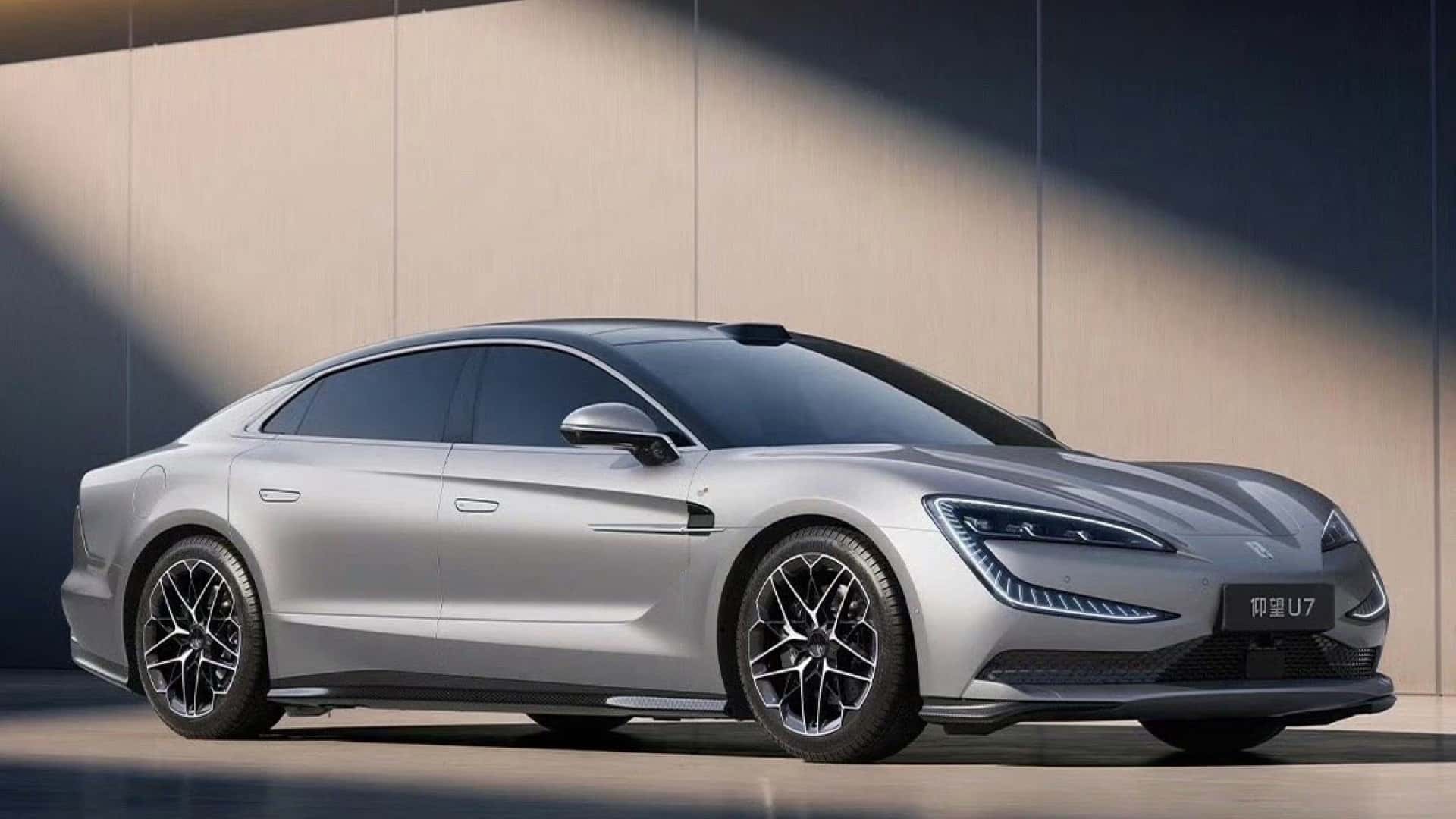
BYD is pushing electric vehicle fast-charging technology to a new level. The Chinese automaker has subjected a Yangwang U7 to an extreme endurance test involving 30,000 kilometers driven in just nine days, speeds of up to 240 km/h and roughly 350 fast-charging sessions.
The objective was to address one of the main concerns surrounding charging systems capable of delivering more than 1,000 kW: whether extremely high charging speeds can accelerate battery degradation.
The result presented by Yangwang, BYD’s luxury vehicle brand, is particularly notable. After completing the test, the U7’s battery reportedly retained 98.7% of its original capacity, according to figures released by the company.
An Extreme Test for a New-Generation Battery
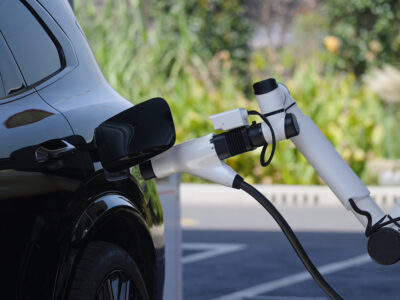
BYD entered a new phase in the race for faster EV charging in 2025 with its technology known as Flash Charging. The initial system was designed to restore a significant amount of driving range within minutes, pushing charging power to levels that were previously uncommon in passenger vehicles.
The company has continued developing the technology and introduced a second-generation fast-charging system. In compatible vehicles, BYD says the battery can be charged from approximately 10% to 97% in just nine minutes.
Those figures have made charging speed one of the key battlegrounds among electric vehicle manufacturers. Competitors have also begun developing systems capable of exceeding 1,000 kW of charging power, potentially reducing the time drivers need to spend at charging stations.
For consumers considering an electric vehicle, this technological evolution could significantly change the ownership experience by reducing one of the practical differences between EVs and gasoline-powered cars: the time required to replenish energy.
Drivers comparing vehicles on the market can also explore electric vehicles and other cars for sale through YaCarros.
30,000 Kilometers, 350 Fast-Charging Sessions and Temperatures of 36°C
To test the system’s durability, Yangwang said it selected a U7 from a showroom rather than using a specially prepared factory vehicle.
The sedan was driven for nine consecutive days on a test track in Nanning, China. During that period, it covered approximately 30,000 kilometers, or about 18,600 miles, while reaching speeds of up to 240 km/h (149 mph).
The test also involved approximately 350 fast-charging stops. During some charging sessions, the vehicle reportedly reached charging power levels of up to 640 kW.
The combination of high-speed driving, repeated fast charging and average ambient temperatures of around 36°C (97°F) created particularly demanding conditions for the battery and its thermal-management system.
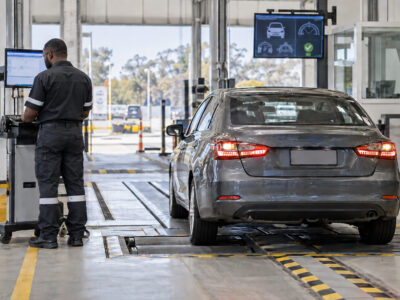
After completing the 30,000-kilometer test, Yangwang conducted a battery degradation assessment. The company reported that the vehicle retained 98.7% of its original battery capacity.
Thermal Management Is Critical to Battery Longevity
One of the most important aspects of the test was not simply the charging power achieved, but the vehicle’s ability to control the heat generated during charging and operation.
High ambient temperatures and ultra-fast charging can increase the thermal and chemical stress placed on a battery. Electric vehicles therefore require advanced thermal-management systems capable of keeping battery cells within an appropriate temperature range.
In the U7 test, several of the conditions considered particularly demanding for a battery were combined: sustained high speeds, high ambient temperatures and repeated high-power charging sessions.
The fact that the vehicle completed the test with 98.7% of its battery capacity remaining suggests that its thermal-management system was able to control operating temperatures effectively throughout the trial.
A Positive Result, but Not Yet a Definitive Answer
While the results are encouraging, they do not prove that ultra-fast charging will have no significant impact on battery longevity over the long term.
Battery degradation depends on multiple factors, including charging cycles, temperature, depth of discharge, charging power and the passage of time.
Battery degradation can also be more pronounced during the early stages of its life before leveling off. For that reason, retaining 98.7% of capacity after such an intensive test is a positive signal, but it cannot replace years of real-world use.
Calendar aging, which refers to battery deterioration simply as a result of time passing, is another factor that must be considered. Determining how these new batteries will perform after many years will require data from vehicles that have remained in service for significantly longer periods.
For now, the Yangwang U7 endurance test offers a cautiously optimistic conclusion: charging at hundreds of kilowatts does not necessarily result in accelerated battery degradation when the battery-management and thermal-control systems are properly engineered.
The real test, however, will come with time. Data collected after several years of real-world use will ultimately determine whether BYD’s new generation of ultra-fast charging systems can combine extreme charging speeds with the long-term battery durability that EV buyers expect.