

California has lifted its long-standing restriction on autonomous vehicles weighing more than 10,000 pounds, opening the state’s public roads to a new phase of self-driving truck development. The California Department of Motor Vehicles (DMV) adopted the new regulations on April 28, creating a formal pathway for companies to test and eventually deploy autonomous heavy-duty commercial vehicles.
The change is significant for the autonomous trucking industry because California had previously barred these heavier vehicles from operating under its autonomous-vehicle rules. The new framework allows manufacturers to seek permits for testing and deployment while imposing additional requirements covering safety, insurance, vehicle registration, data reporting and operational oversight. :contentReference[oaicite:0]{index=0}
A New Regulatory Path for Self-Driving Trucks
Under the updated rules, autonomous vehicles with a gross vehicle weight rating of 10,001 pounds or more can qualify for permits. The framework establishes separate stages for testing with a safety driver, driverless testing and eventual deployment, giving manufacturers a defined route toward operating commercial autonomous trucks in California. :contentReference[oaicite:1]{index=1}
The initial testing stage still requires a human safety driver behind the wheel. That means the first autonomous trucks operating publicly under the new framework will not necessarily be fully driverless in California, even though the regulations establish a pathway that can ultimately lead to driverless operations.
The DMV has also given itself broader authority to impose operational restrictions when necessary for public safety, including limits involving fleet size, location, speed and weather conditions. The regulations additionally establish new requirements for reporting vehicle miles traveled, system failures, immobilizations, hard-braking events and collisions. :contentReference[oaicite:2]{index=2}
Aurora Moves Into Its Home State
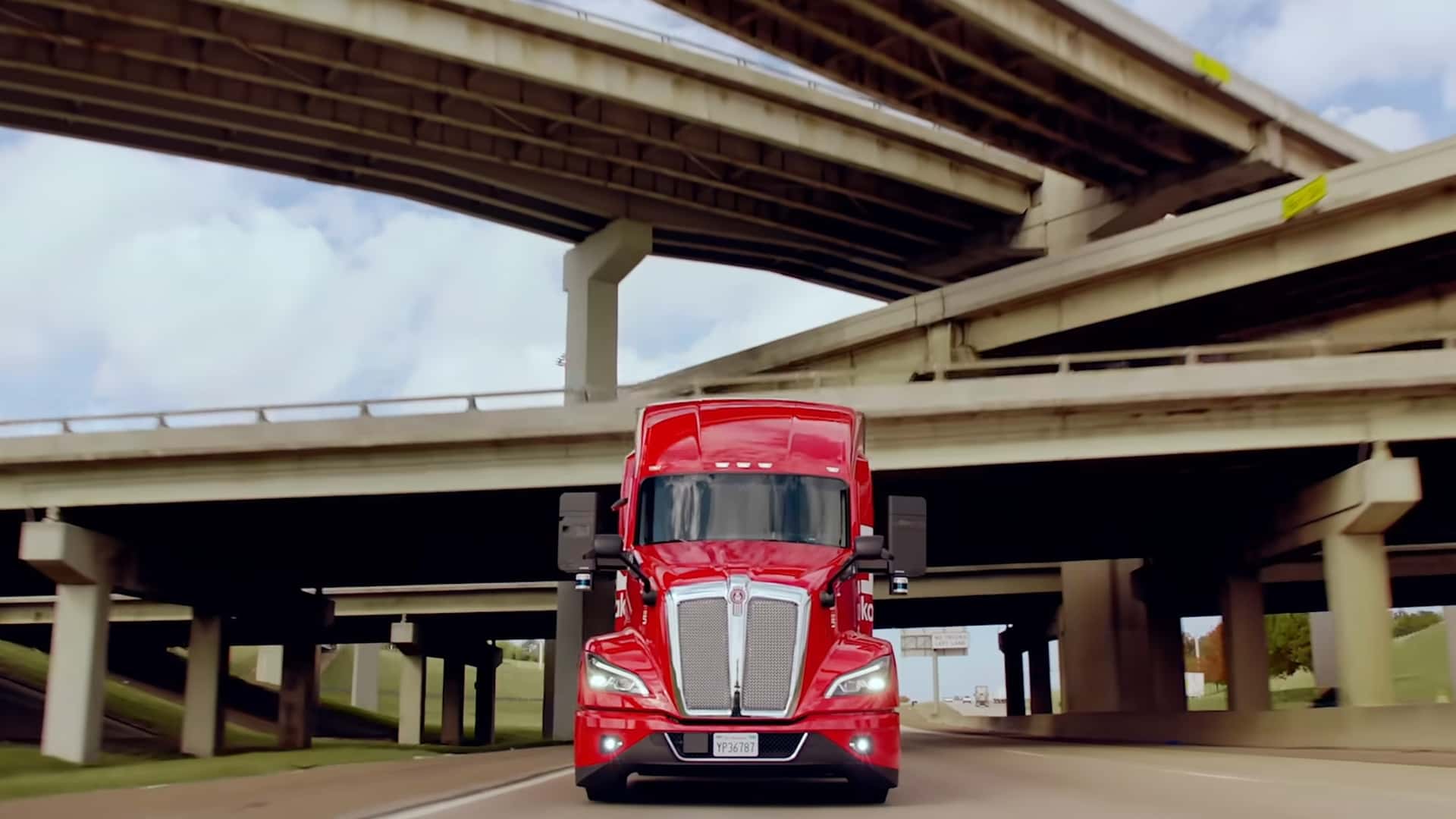
Aurora is among the autonomous trucking companies that can now pursue testing in California. The company has focused much of its commercial autonomous trucking activity on Texas, where it has developed routes connecting major freight markets including Fort Worth, El Paso, Phoenix, Laredo and Dallas.
California’s regulatory shift gives Aurora an opportunity to test its heavy-duty autonomous technology closer to its home operations. The state’s freight infrastructure also makes the market strategically important for autonomous trucking, particularly because California is home to major ports and extensive freight corridors serving consumers and businesses across the country.
The DMV’s current permit records confirm that Aurora Operations, Inc. holds an autonomous-vehicle testing permit with a safety driver. The agency’s published list does not currently identify Kodiak AI as a holder of the same permit, so the timing of Kodiak’s California testing authorization should be treated separately from the broader regulatory change. :contentReference[oaicite:3]{index=3}
Kodiak Is Also Preparing for California
Kodiak AI, another California-based developer of autonomous trucking technology, has also been preparing to operate in its home state. The company previously said California’s new regulations would provide a path for deploying its autonomous driving system there and that it planned to submit an application for a testing permit.
Kodiak already operates autonomous freight vehicles in other parts of the United States. Its regulatory filings describe a commercial network spanning thousands of miles and operations focused on long-haul trucking, industrial applications and defense. The company has also said that its driverless trucking business has been concentrated in states with regulatory frameworks that permit autonomous freight operations.
The distinction between California’s new rules and the companies’ individual permits is important. The regulatory change opens the door to heavy-duty autonomous trucks, but manufacturers still have to satisfy the DMV’s requirements before they can conduct specific types of testing or deployment.
California Still Places Limits on Autonomous Trucks
The new framework does not give autonomous trucking companies unrestricted access to California roads. Heavy-duty vehicles must operate within approved conditions and comply with rules governing their size, weight and intended routes.
Local roads with posted speed limits of 25 mph or less are generally restricted for heavy-duty autonomous operations unless they form part of a permitted direct route between destinations. The regulations also create additional requirements before a vehicle can progress from testing with a safety driver to driverless testing and, ultimately, commercial deployment.
Those requirements are intended to make the transition toward driverless operation gradual rather than allowing companies to move directly from supervised testing to commercial service. California has therefore combined broader access for autonomous trucking with a regulatory structure designed to monitor how the technology performs on public roads.
A Major Test for Autonomous Freight
California’s decision could have implications beyond the companies currently preparing to test there. The state is one of the country’s most important freight markets, and autonomous trucks could eventually operate alongside conventional commercial vehicles on routes connecting ports, distribution centers and inland markets.
For autonomous trucking companies, the new rules also remove a significant geographic limitation. Developers based in California previously had to focus testing and commercial operations in other states where regulations allowed heavier autonomous vehicles. Texas has become an important testing and deployment market, but California now offers companies a regulatory pathway in their own backyard.
The next stage will depend on how manufacturers perform under California’s permitting requirements and how quickly they can accumulate the testing experience needed for more advanced forms of autonomous operation. For now, the state’s decision marks a major expansion of the roads available for autonomous freight technology while keeping human safety drivers in the cab during the initial testing phase.