

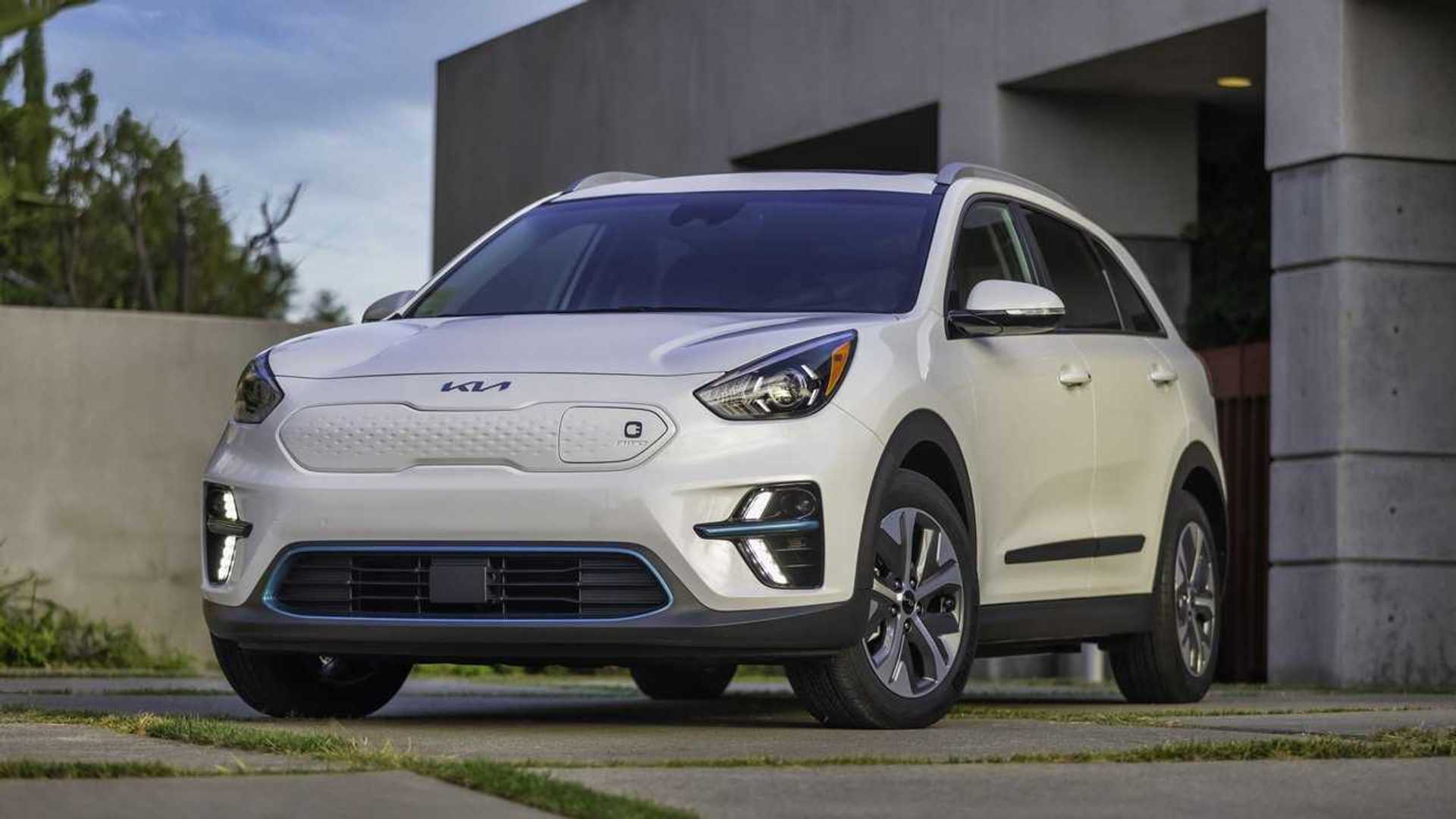
For owners of older electric vehicles, a drivetrain failure can turn an affordable used car into an unexpectedly expensive repair. That is particularly relevant for the first-generation Hyundai Kona Electric and Kia Niro EV, two models that helped make battery-powered crossovers more accessible in the U.S. market.
A German automotive supplier is expanding its remanufacturing business to address that problem. Under its redrive brand, SEG Automotive is developing remanufactured high-voltage electric drive units, with the company already offering a solution for the first-generation Tesla Model S and planning to expand the range to additional EV applications.
A Costly Problem for Older Electric Crossovers
The Kona Electric and Niro EV remain attractive to used-car buyers because their purchase prices can be substantially lower than those of newer electric vehicles. However, both models have also become associated with failures involving the bearings inside their front-drive reduction units.
When the problem develops, owners may hear the characteristic ticking or clicking noise sometimes described by EV owners as the “wheel of fortune” sound. A complete replacement through a dealership can reportedly cost thousands of dollars, creating a repair bill that can represent a significant share of the vehicle’s remaining market value.
That economic equation becomes especially important as early electric vehicles age. Although their electric powertrains contain fewer moving parts than conventional internal-combustion drivetrains, major high-voltage components can still be expensive when they fail.
SEG Automotive Takes a Remanufacturing Approach
SEG Automotive’s redrive concept focuses on rebuilding the complete electric drive module rather than simply replacing an individual failed component. The unit integrates the electric motor, reduction gearbox and power electronics, allowing the remanufactured assembly to be installed as a replacement.
The company says worn and defective bearings are replaced with reinforced components, while seals and other vulnerable parts are addressed during the remanufacturing process. The objective is to return the drive unit to service while reusing much of the original hardware.
SEG Automotive developed the redrive business with Spanish bearing specialist Fersa. The companies’ existing remanufacturing and engineering capabilities are being combined to provide replacement electric drive units for vehicles whose original components have failed.
From Tesla Model S to More Affordable EVs
The program began with the large drive unit used in early Tesla Model S vehicles. SEG Automotive says its remanufactured units can address known weaknesses in the original design, including a modification intended to prevent coolant-related damage to the motor.
The company is now expanding beyond Tesla applications. The next generation of redrive products described for the market includes drivetrain replacements for first-generation Hyundai Kona Electric and Kia Niro EV models, covering versions rated at 134 and 201 horsepower.
For owners, the attraction is not simply the ability to repair an aging EV. A remanufactured drive unit can potentially preserve a vehicle that would otherwise face a repair bill disproportionate to its value, extending the useful life of an electric crossover that may still meet a buyer’s everyday transportation needs.
How the Replacement Process Works
The redrive system is designed around a replacement process intended to reduce vehicle downtime. A workshop receives the remanufactured drive unit, removes the defective assembly and installs the replacement. The original failed unit is then returned to SEG Automotive for its own remanufacturing process.
That approach also creates a circular supply chain. Instead of manufacturing an entirely new drivetrain for every repair, the remanufacturing process reuses the core components and replaces the parts that have worn out or are known to be vulnerable.
For drivers considering an older EV, the availability of this type of aftermarket support could become increasingly relevant. As more first-generation electric vehicles leave their original warranty periods, independent repair solutions may help determine whether keeping an older EV on the road remains financially viable.
Owners seeking a repair should work through an authorized workshop capable of handling high-voltage electric drivetrains. Availability will depend on the specific vehicle application and the rollout of SEG Automotive’s redrive products. More automotive coverage and EV market updates are available in DominicanScope’s Automotive section.