

Chinese automaker Leapmotor continues to expand its international footprint with the official launch of its vehicles in the Mexican market, a move that highlights the growing influence of Chinese brands across North America. However, while Mexico and Canada are opening their doors to these manufacturers, the United States continues to maintain significant trade barriers that limit their entry.
Drivers looking to stay informed about the latest automotive trends or browse new and used vehicles can visit specialized marketplaces such as Yacarros, where hundreds of cars are listed for sale every day.
Leapmotor officially enters the Mexican market
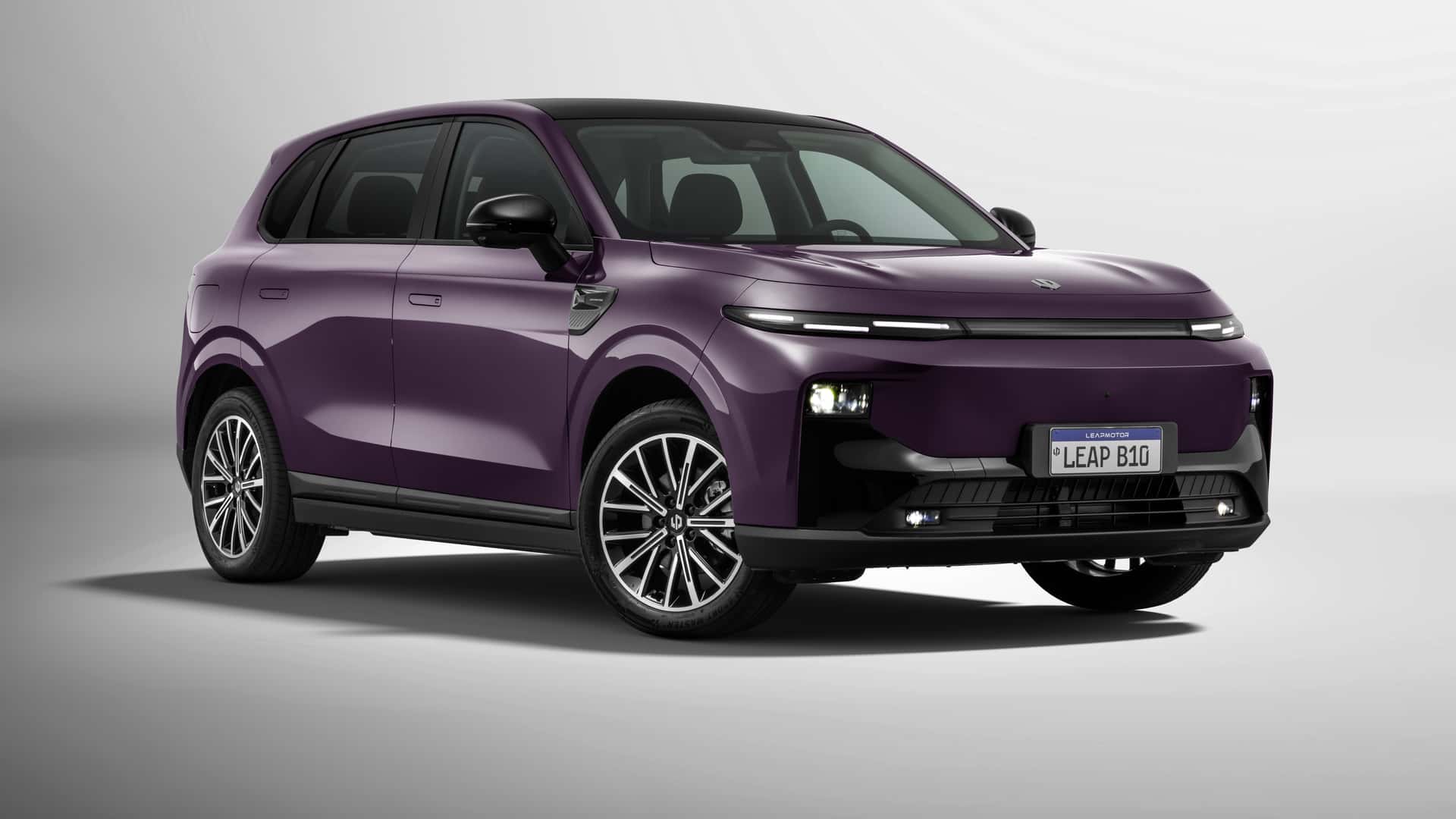
The Chinese startup, which specializes in electric vehicles and plug-in hybrid vehicles, has officially begun sales in Mexico with the launch of the Leapmotor B10, a crossover designed to compete with an attractive combination of driving range, technology, and competitive pricing.
The model is being sold through the dealership network of Stellantis, the global automotive group that acquired a 21% stake in Leapmotor in 2023. The partnership has played a key role in accelerating the Chinese manufacturer’s expansion following its entry into Europe and South America.
The Leapmotor B10 is priced at approximately 575,000 Mexican pesos (around US$33,000) and offers a driving range of nearly 990 kilometers. It also features a large central touchscreen infotainment system inspired by those found in the latest generation of electric vehicles.
Mexico strengthens its position as a destination for Chinese automakers
Mexico’s automotive market is experiencing rapid growth in the adoption of electrified vehicles. According to the International Energy Agency, sales of plug-in vehicles tripled over the past year, with approximately 85% of those units imported from China.
This trend has attracted the attention of several Asian manufacturers. Companies such as BYD, Geely, and SAIC-GM-Wuling are also exploring opportunities to expand their presence through local investments and potential vehicle production in Mexico.
Leapmotor continues its strong global growth
Founded in 2015, Leapmotor has become one of China’s fastest-growing new energy vehicle manufacturers.
During the first half of 2026, the company sold approximately 356,000 vehicles, nearly doubling its performance from the same period a year earlier. In June alone, it delivered more than 93,000 vehicles, setting a new monthly sales record.
These results reinforce Leapmotor’s position as one of the fastest-growing emerging brands in the highly competitive global electric mobility market.
Canada also welcomes Chinese electric vehicles
While the United States continues to tighten its trade policies, Canada is preparing to welcome new electric vehicle models from Chinese manufacturers.
One of the first will be the Lotus Eletre, owned by the Geely Group, which will enter the country under a new trade agreement allowing the import of up to 49,000 electric vehicles under more favorable tariff conditions.
Chinese officials expect additional manufacturers to follow in the coming months. Among them is BYD, which has already announced plans to begin sales in Canada next year, along with other brands such as Chery.
The United States remains closed to Chinese automakers
Despite the rapid expansion of Chinese automotive brands across North America, the U.S. market remains the industry’s biggest challenge.
High tariffs—exceeding 100% on vehicles manufactured in China—combined with ongoing trade tensions between the two countries, have made it extremely difficult for Chinese automakers to enter the American market.
Even manufacturers backed by major global automotive groups face significant obstacles. Stellantis CEO Antonio Filosa recently acknowledged that while there are opportunities for growth in Mexico and Canada, the U.S. market remains effectively closed to Leapmotor.
For now, Chinese automakers are expected to continue strengthening their presence in Mexico and Canada while waiting for a more favorable trade environment that could eventually provide access to the world’s second-largest automotive market.