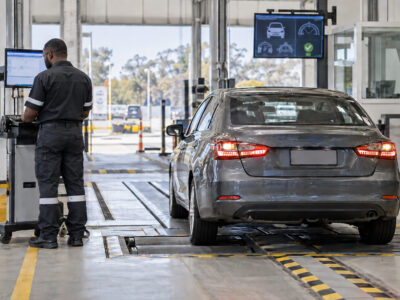


When an automaker disappears, its vehicles do not suddenly stop working. However, the end of a car brand can make access to spare parts, specialized service and technical support more difficult. For owners, keeping the vehicle in good condition may require more planning than it would with a model from an active manufacturer.
Even so, many cars from discontinued brands continue to be driven and maintained for years. Owners’ clubs, independent repair shops, specialist suppliers and enthusiast communities have developed ways to keep these vehicles running. For buyers considering one of these models, it can also be useful to compare available vehicles through a used car marketplace before making a decision.
Spare Parts Are Still the Biggest Challenge
One of the first problems appears when a manufacturer’s official dealer network disappears. Drivers who previously relied on authorized dealerships may suddenly have fewer options for routine maintenance and repairs.
In these situations, specialist suppliers for discontinued car brands can become an important alternative. One example is British company Rimmer Bros, which expanded its business in the spare-parts market after the collapse of the MG Rover Group in 2005. The company acquired a significant inventory of parts and specialized staff and continues to supply components for brands including MG, Rover and Triumph.
Owners can also turn to used components and new old stock, commonly known as NOS (New Old Stock). Buying certain hard-to-find parts before they become scarce can be a smart strategy, particularly when dealing with components that are unique to a specific model.
Another option is to determine whether particular parts are compatible with vehicles from other manufacturers. Over the years, automakers have shared platforms, engines, electrical systems and other components. Understanding these connections can significantly expand the range of available replacement parts and potentially reduce repair costs.
Owners Can Build Their Own Support Network
When the manufacturer disappears, the owner community can become more important than ever. Car clubs, online forums and social media groups allow owners to exchange information about repair shops, spare parts, common problems and technical solutions.
The experience of Fisker owners is a recent example of how consumers can organize when an automaker stops operating. Following the company’s bankruptcy, owners established communities and associations aimed at sharing technical knowledge, resources and solutions for keeping their vehicles on the road.
These networks can also help owners locate difficult-to-find parts or identify repair shops with experience working on specific vehicles. In some cases, aftermarket companies may even develop new solutions for cars that no longer receive direct manufacturer support.
Finding a Specialist Repair Shop Can Make a Difference
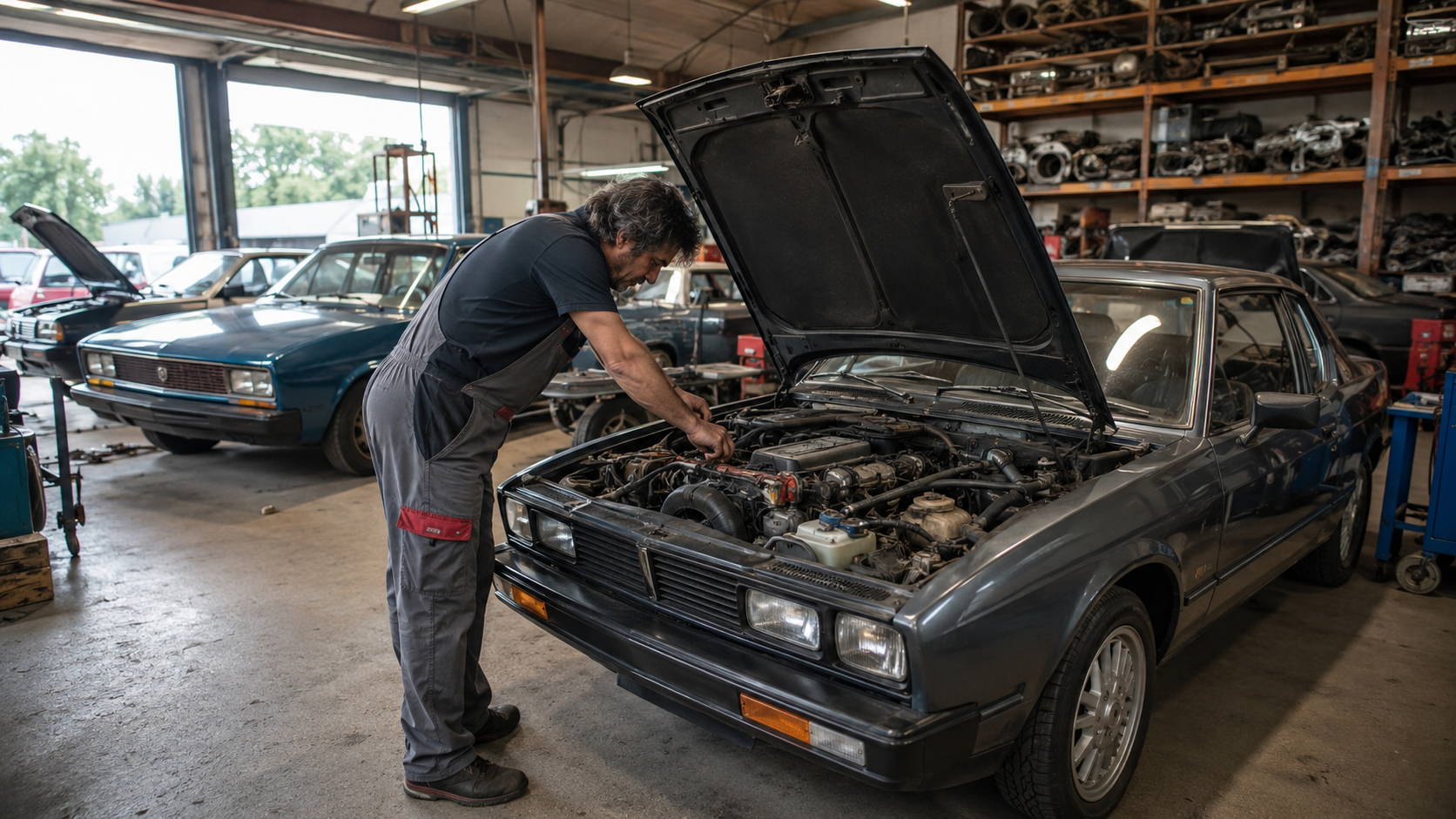
Finding a mechanic experienced with the brand can be just as important as finding replacement parts. A repair shop familiar with an older model may have a better understanding of its common problems and know where to find alternative components when official support is no longer available.
Owners of brands such as Saab, for example, can benefit from independent specialist workshops and dedicated owner clubs in several markets. These communities have accumulated years of knowledge about the vehicles, which can be particularly valuable when dealing with unusual systems or components.
Buying a Discontinued-Brand Car Requires Planning
The disappearance of an automaker does not automatically make its vehicles a bad purchase. Some models can continue to offer a good driving experience and, in certain cases, benefit from strong and active owner communities.
The key is to do the research before buying. Prospective owners should check the availability of spare parts, identify specialist repair shops, determine which components are shared with other models and find relevant owner communities.
It is also worth considering how easy it will be to source critical components before choosing a vehicle from a discontinued brand. Checking the used-car market can help buyers compare models, prices and available alternatives.
Ultimately, keeping a vehicle from a discontinued brand on the road requires more foresight, but it is far from impossible. With the right parts, specialized maintenance and an active owner community, many of these cars can continue running for years after their manufacturer has disappeared.